
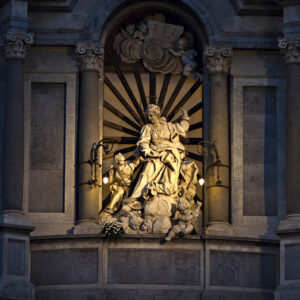
Saint Agatha’s Cathedral (Duomo)
Saint Agatha’s Cathedral takes its name from the “Santuzza” protector of the city, her feast day is on February 5th. With its massive structure, the Cathedral has the characteristic contrast between the gray and white marble it’s used for the decorations. … read more
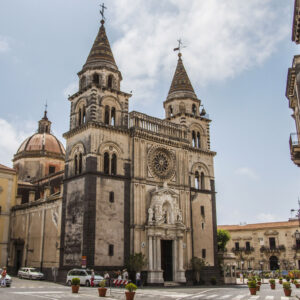
Cathedral of Acireale (Duomo)
In Piazza Duomo, the cultural and monumental center of Acireale, there is the Cathedral dedicated to Maria Santissima Annunziata, but commonly linked to the cult of Santa Venera, patron of the city, whose relics are kept inside. … read more
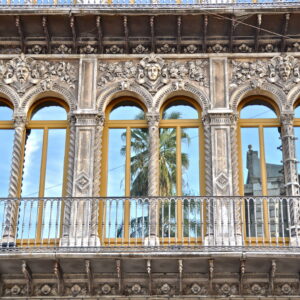
Sangiorgi Theatre
Along the via di Sangiuliano there is the Sangiorgi theatre, it is considered the representation of the Catania “Belle Epoque”. After a long and elaborate restoration work, the theatre has an elegant auditorium with 477 seats and a large stage that allows the staging of various events. … read more
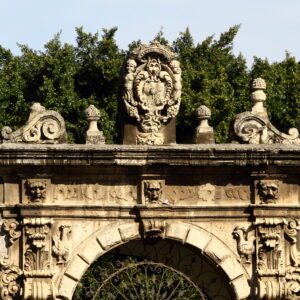
Villa Cerami
Villa Cerami was the residence of the family Rosso of Cerami. Built a few years after the earthquake that hit the city in 1693, the villa was embellished with Baroque decorations and precious furniture during the residency of the family.
After a period of decline, it is returned to its former glory. … read more
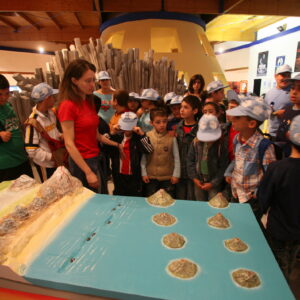
Etna Museum
With more than 1500 square meters of modern exhibition center and is the main interactive educational exhibition about Etna, treating its natural, historical and ethno-anthropological aspects. The exhibition presents environments and exhibit dedicated to Etna. … read more
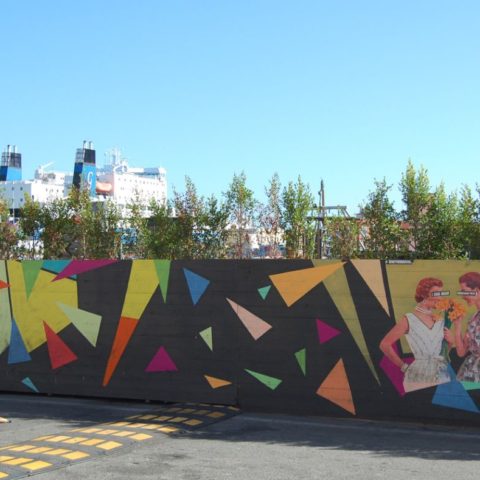
Port of Catania
Located in the centre of the Mediterranean Sea, the Port of Catania was first built in 1438. Repeatedly rebuilt over the centuries, today it is one of the most important ports in Sicily. With a total surface area of 615,000 m2, the Port is home to a variety of different activities … read more
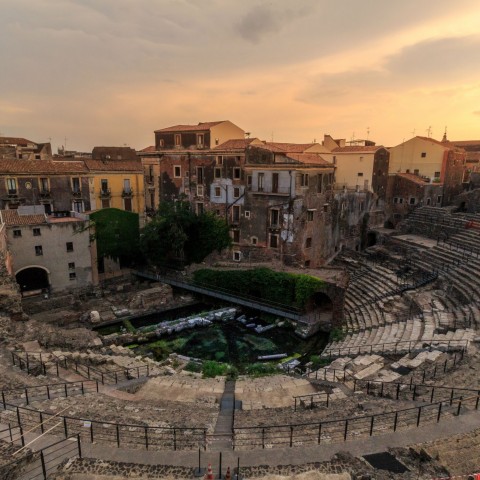
Roman theatre and Odeon
Between via Teatro Greco and via Vittorio Emanuele there are the Roman Theatre and the Odeon. Some people assumed that their building dates back to II sec. AD, and that the theatre was carried out on a pre-existing Greek Age structure. … read more
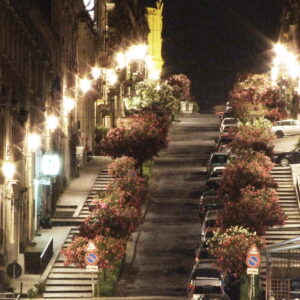
Via Sangiuliano
Via Sangiuliano is one of the most typical and long street of Catania’s centre. It starts from the sea, it arrives to the “Quattro canti” (the cross between via Etnea and via A. Di Sangiuliano) and from here, it continues, steep and with a flooring in lava stone with some wide cracks between a plate and another. … read more
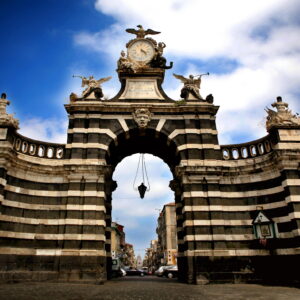
Porta Garibaldi (Garibaldi’s gateway)
At the end of Via Garibaldi there’s a triumphal arch, it was erected in 1768, mistakenly called “Gateway of Garibaldi” or “King Ferdinand’s one” (because it was built to celebrate the wedding between Prince Ferdinand IV and Maria Carolina of Austria) but it’s better known to people of Catania as “porta ‘o Furtinu”. … read more
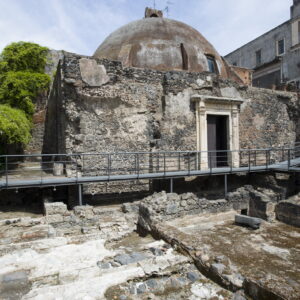
Rotonda’s Thermae
The thermal building called “Rotonda’s one” is located in one of the most characteristic areas of Catania. It’s surrounded by a series of streets and alleys in the oldest part of town. The thermae survived to the terrible earthquake in 1693 and for this reason scholars have long considered them the example of building skill. … read more
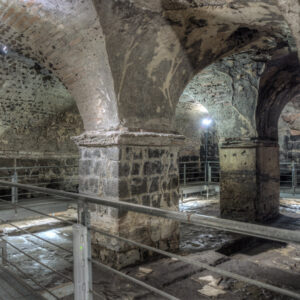
Achilliane Thermae
Thanks to the water wealth enjoyed by the city in Roman times, in that period were built many thermaes of which are still visible remains of the Achilliane thermae, Indirizzo … read more
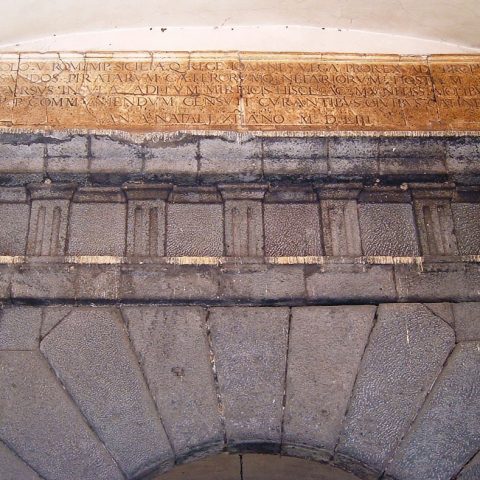
Charles V entrance (or Canals’ one)
The Charles V entrance is the only one of the seven that made up the ancient city’s walls, still exists. The construction of the walls began in 1541 by the viceroy Vega with the aim of improving the defensive capability of the city against pirates who frequently attacked the coast of Catania. … read more
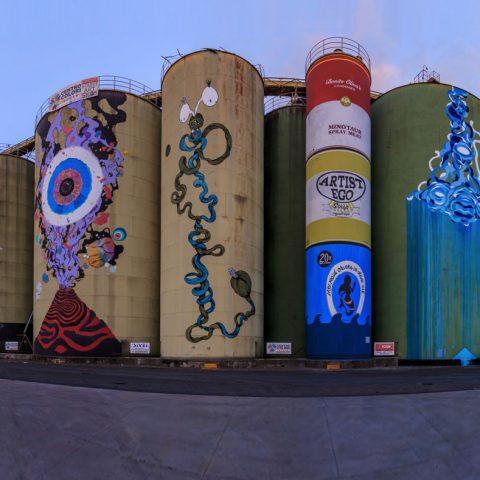
Street Art Silos
The city port has undergone a transformation and become an open air art installation. Eight silos became a spectacular 21st century monument; not mere graphic representations but a contemporary story that is inspired by Sicilian traditions. … read more
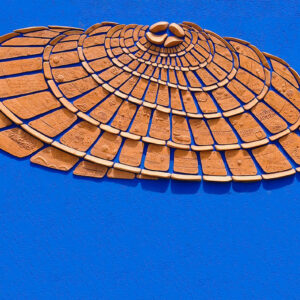
Porta della Bellezza (The Gate of Beauty)
The Gate of Beauty in Librino district is a monumental sculpture in terracotta, the largest terracotta work in the world. Sign of welcoming and hospitality, the project belongs to Antonio Presti and includes the artworks of several Italians sculptors sharing the subject “The Great Mother”. … read more
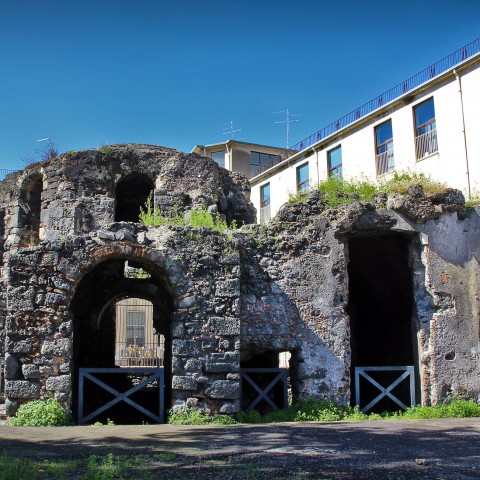
Indirizzo’s Thermae
The Indirizzo’s thermae are still in good condition, there is one of the Roman buildings still visible in the city. The presence of the thermal building demonstrates how the city was developed in the late Roman era. Inside of it, it is possible to see the original frame. … read more
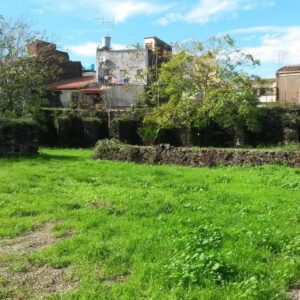
Bastion of Infetti
The bastions were built in Catania in the early sixteenth century by Emperor Charles V of Spain. The Bastion of Infetti (infected) is the best preserved among the eleven bastions that, together with seven gates, formed the defensive system of Catania. … read more
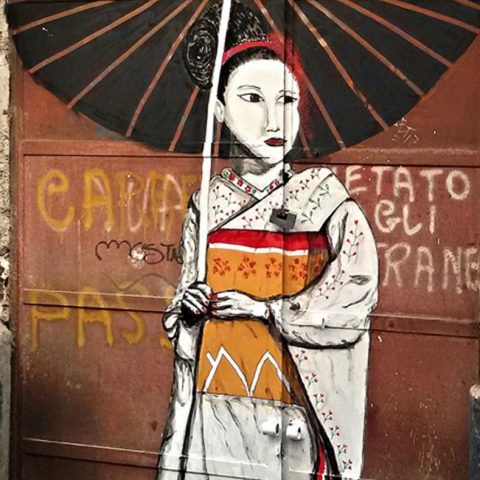
San Berillo
In order to know the history of Catania you need to take a look at one of its historic neighbourhoodsIn the centre of Catania, San Berillo shows its visitors many faces and facets with its Baroque and Fascist buildings, some unfinished and some destroyed by bombardments or other events, and with its simple houses. … read more
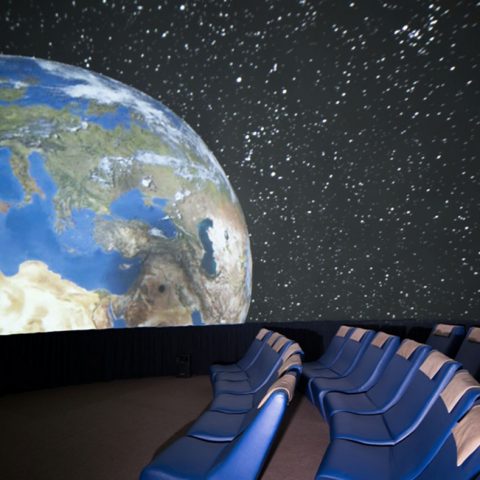
Il Planetario (The Planetarium)
Get ready for an incredible journey among stars, planets, galaxies: a modern space that, thanks to the dome of more than 10 meters in diameter, allows you to look, as never before, at the sky with all its details. Understand their movements, origin and evolution guided by engaging explanations of expert astronomers. … read more
ReBa museum
The architect Renato Basile has always been one of the main exponents behind the rebirth of the San Berillo and it was here that he decided to create the ReBa museum … read more
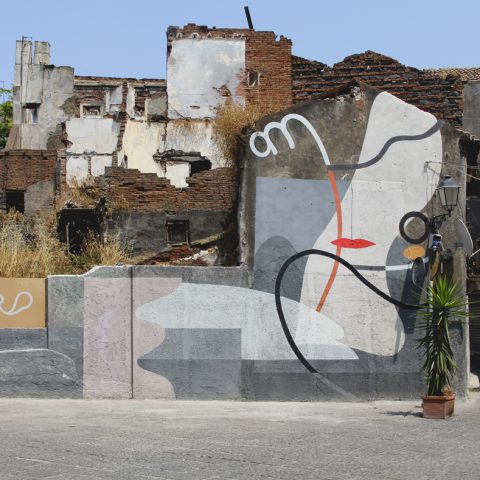
Piazza Goliarda Sapienza (former Piazza delle belle)
A tangible example of the rebirth of San Berillo is “piazzetta delle Belle”, named after Goliarda Sapienza, that today is a popular meeting point in the evenings for local people. The square it is part of a wider urban renewal project. … read more