
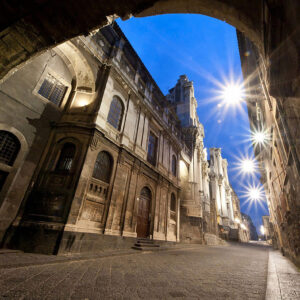
Via Crociferi
Via Crociferi is one of the oldest Catania streets in the heart of the city, it starts in Piazza San Francesco D’Assisi through the famous St. Benedict triumphal arch. It is considered the symbol of Baroque in Catania, because there are some of the most beautiful eighteenth-century churches of the city. … read more
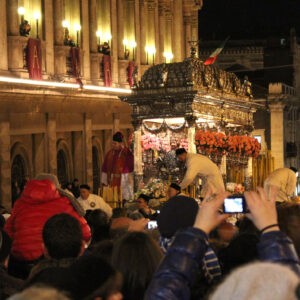
Slope of via Cappuccini
“Cchianata de’ Cappuccini” is an important place during the celebrations in honour of Saint Agatha. It starts in via Cappuccini, near Piazza Stesicoro, and it continues with via Pietro Garofalo creating the form of a steep “S”. At the end of the slope there is via Santa Maddalena. … read more
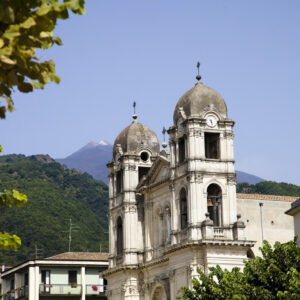
Zafferana Etnea
Zafferana Etnea (9,286 inhabitants) is located 600 meters above sea level, on the eastern slopes of the volcano. The actual history of the town originated with the founding of the Priory of St. James, a Benedictine monastery in the Middle Ages. … read more
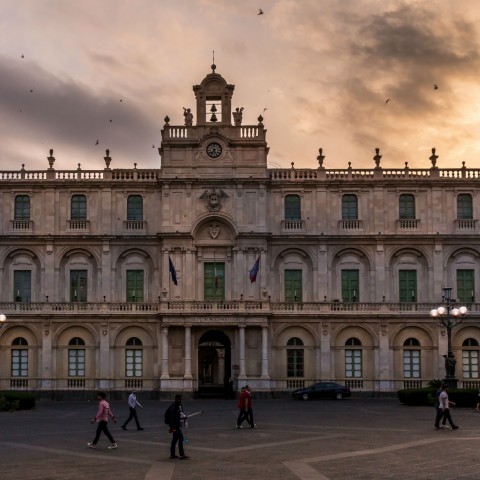
Palazzo dell’Università
The original Palazzo dell’Università’s plant is dated back to 1434. It was built by Alfonso the Magnanimous, founder of “Siculorum Gymnasium”. It was destroyed by the earthquakes in 1693 and in 1818; and restored many times over the centuries. … read more
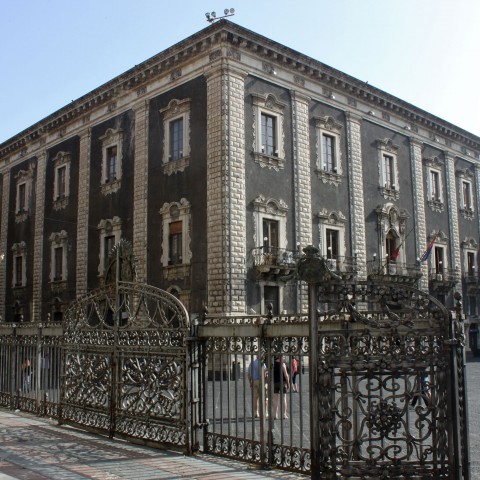
Palazzo dei Chierici
The Palazzo dei Chierici, also is known as the Clerks’ Seminary (which once housed it), it’s connected to the Saint Aghata’s Cathedral through an overpass that goes over Uzeda’s entrance. The inclution of building inside the city walls is its hallmark. … read more
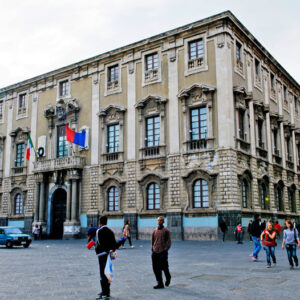
Palazzo degli Elefanti
Palazzo degli Elefanti, originally was called the Senatorial Palace, it is located on the northern side of Piazza Duomo and it’s the headquarters of the Municipality of Catania. It was built by Vaccarini to replace the medieval Loggia, which was destroyed by the earthquake in 1693. … read more
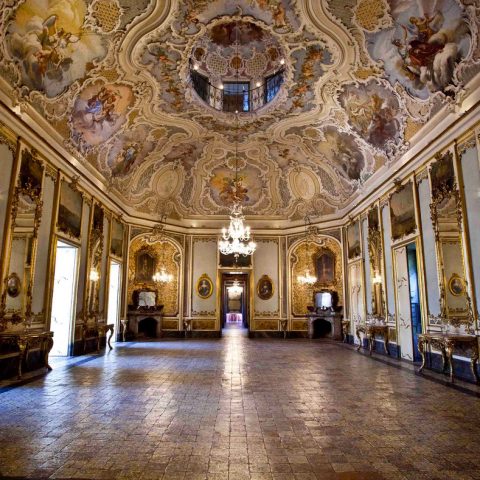
Palazzo Biscari
Along via Dusmet, not far from the “Pescheria”, it’s located the Palazzo Biscari, which takes its name from the Biscari principles who lived there. The palace has several rooms in rococo style, full of frescoes and decorations. Today its museum hosts MF “Museum&Fashion”. … read more
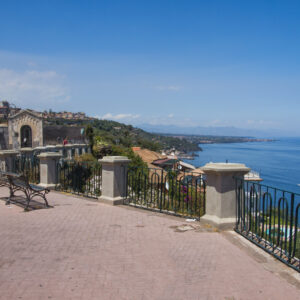
Village of Santa Caterina
The village of Santa Caterina, formerly known as “Cavallari”, is made up of narrow streets decorated with flowers and citrus trees. The village is located on one of the highest lava ridges of Timpa; an impressive view enriched by the precipice on the sea. … read more
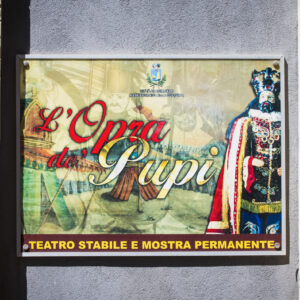
Theater of Opera dei Pupi
The theater hosts the permanent exhibition of the collection of the Theater Pennisi-Macrì, made up of puppets and Sicilian theaters’ equipment. The puparo, inspired by works such as “Gerusalemme Liberata” by Torquato Tasso, skillfully represented the stories of the paladins. … read more
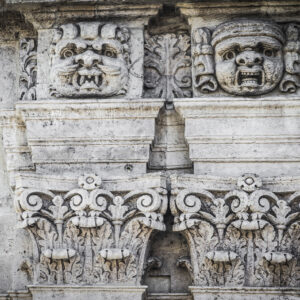
Basilica of Saint Sebastian
The Basilica of Saint Sebastian was built around 1609 to accommodate in a largest place of worship the community of faithful. The facade with white Siracusa stone columns, pilasters and carved cornices, is in Baroque style. Worth a visit to the Basilica Museum. … read more
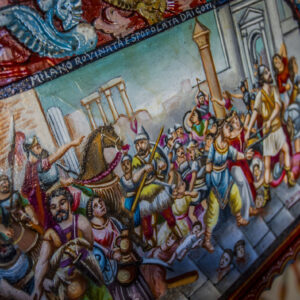
Museum of the cart
Aci S. Antonio boasts the Museum of the Sicilian symbol par excellence. In a building used as stable and warehouse, you can see ancient and recent carts from all over Sicily. All carts, carefully restored, stand out for the vivid colors and the painted figures. … read more
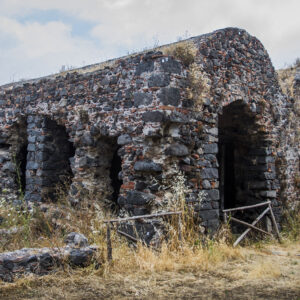
Terme of Saint Venera al Pozzo
The thermal baths of Saint Venera al Pozzo are part of the Archaeological Park of the Valley of Aci, set up in 2010. The site is characterized by the presence of water from sulfur springs and hosts the structures realized in the fourth century BC by Romans. … read more
Diocesan Museum
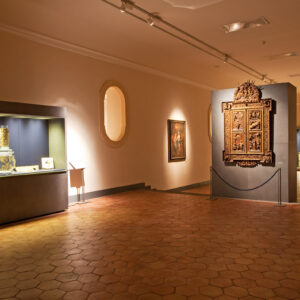
The Diocesan Museum is located in the east ala of the Clerics’ seminary next to the Cathedral, preserves Diocese of Catania’s collection of liturgical furnishings. By type, furniture and objects are stored inside dating from several historical periods ranging from 1300 onwards. … read more
Piazza Verga
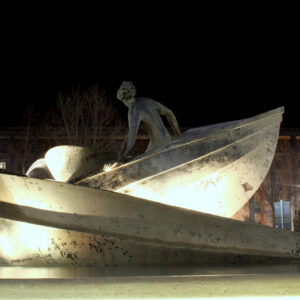
Piazza Giovanni Verga is an important civic tradition place of Catania; it is crossed by the Corso Italia and here there is the courthouse of the city. It is dedicated to the memory of the writer Giovanni Verga and at the center of it there is the Fountain of the Malavoglia. … read more
Casa del Nespolo Museum
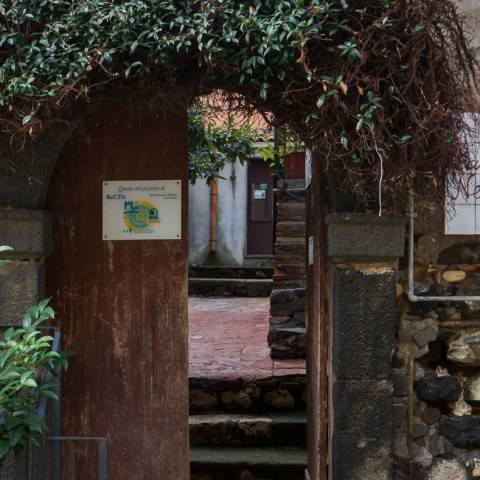
In the heart of the seaside village of Aci Trezza you can find the Casa del Nespolo Museum, a magical place from where you can “enter” into the pages of the famous Verga’s novel “I Malavoglia”. The house that hosts the museum is dated back to the 19th century. … read more
Bellini Museum
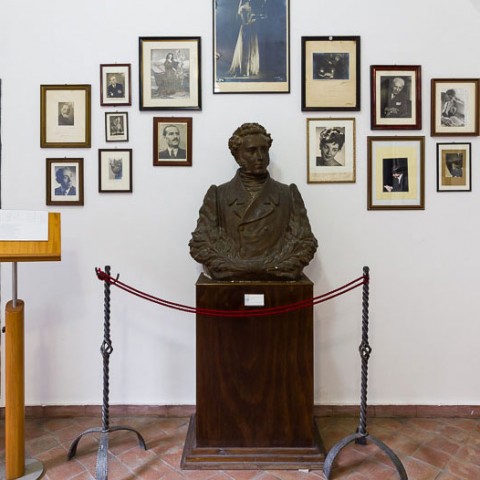
In the eighteenth-century Cruyllas Gravina’s palace, it’s the birthplace of the composer Vincenzo Bellini, it was declared national monument in 1923. A historical path to investigate the most intimate Bellini’s life aspects, through the objects and relics that belonged to the famous composer, … read more
Roman Amphitheatre
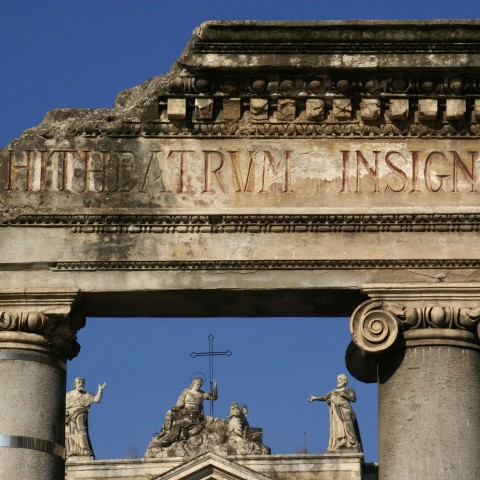
The “underground” monument is well preserved and visible, overlooking Piazza Stesicoro, below the road surface. The monument is almost completely covered by modern buildings and is the second in size only to the Colosseum. … read more
Saint Chiara’s Monastery
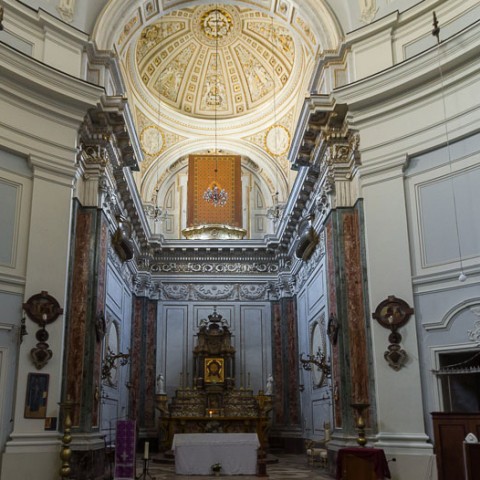
Saint Chiara’s church and monastery are a very large complex that covers an entire block. The monastery facade was designed by Palazzo in the second half of the 18th century. To be admired the artworks and frescoes of the attached church. … read more
Mogam – Modern Gallery of Arts and Motors
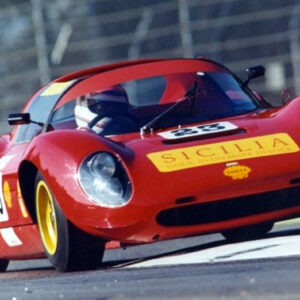
Modern Gallery of Arts and Motors, it is the only Art and Motors gallery-museum throughout Italy and it is born from the passion for automobiles and visual arts. A union that, through the exhibition, will projects you into a new and exciting dimension. … read more
MF Museum&Fashion
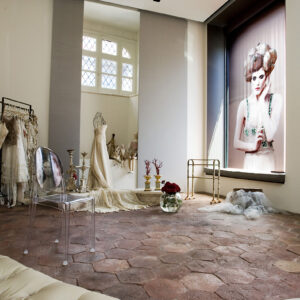
Project of the Sicilian designer Marella Ferrera, inaugurated in 2008. A new concept of museum that tells a story of emotions, with links about experiences and particular signs. Elegant place where she decided to set up the exhibition “Beyond the dress … Thought”. … read more