
Camarina Archeological Museum
Culture, Museum and historical sites
Strada Provinciale 102 Ragusa
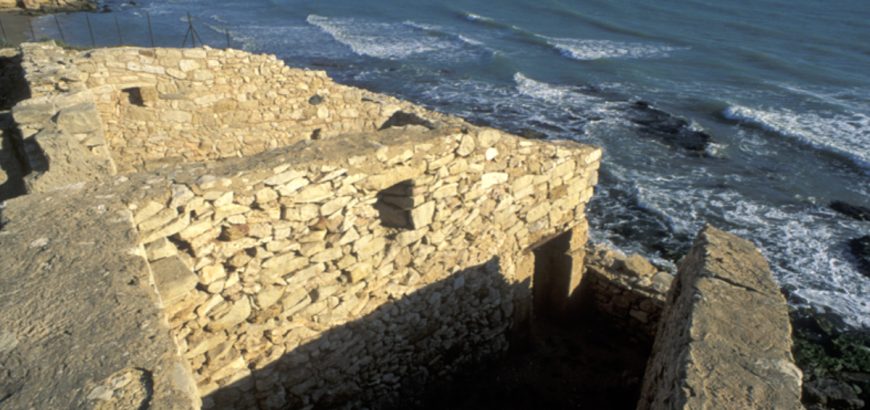
Once, the Temple of Athena stood here; it was the highest point of the ancient colony founded by the Syracusans in 600 BC. Today, the Archaeological Museum of Camarina gathers precious evidence of human presence in this area from prehistory to the Middle Ages. Indeed, the Cammarana promontory—as the area is called—has been inhabited since the Early Bronze Age. In the 19th century, the temple, which in the meantime had been converted into a church dedicated to the Virgin Mary, was incorporated into a rural farmhouse. Later came the establishment of the museum, which today houses over 6,800 artifacts, divided into three pavilions and seven exhibition halls.
The exhibition route will guide you through the history of the Camarina territory. There is even a pavilion dedicated to underwater archaeology, displaying artifacts that the sea facing Camarina has brought back to light. The Prehistory Room is dedicated to the Bronze Age, while the Archaic Camarina Room features the necropolis of Rifriscolaro. The cults widespread in the area, particularly those of Demeter and Kore, are evoked in the Persephone Room, while the Room of the Temple of Athena contains artifacts dating back to the ancient temple dedicated to the goddess of wisdom. The Classical Camarina Room illustrates the urban history of Camarina from the 5th century BC, and finally, the Passo Marinaro Necropolis Room houses the grave goods dating from the 5th to the 4th century BC, discovered during excavations at the classical necropolis of Passo Marinaro.
Among the invaluable treasures that make the Museum of Camarina well worth a visit are its amphora collection—one of the most important in the Mediterranean for quantity and variety—and the extremely rare civic tokens of Camarina from the mid-5th century BC, which served as the identity cards of the era.