
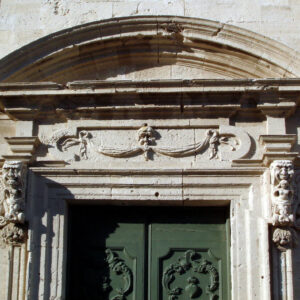
Church of St. Filippo Neri
The Church dedicated to “San Filippo Neri” is one of the most important churches of Ortigia which serves as church for many districts of eastern Ortigia (Sperduta and Mastrarua). Established … read more
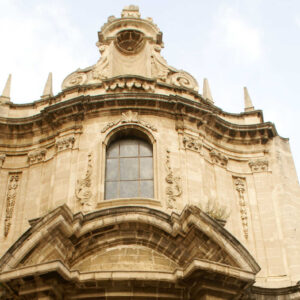
Church of St. Francesco all’Immacolata
The church of Saint Francesco all’Immacolata, although initially dedicated to St. Andrew the Apostle, in the early sixteenth century was dedicated to the Immaculate Conception and the Madonna of Soccorso. … read more
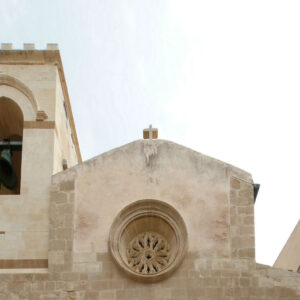
Church of St. Martino
The church dedicated to St. Martino Bishop is one of the first churches in Siracusa. Although the exact dating is difficult because of several changes, the characteristics of some architectural … read more
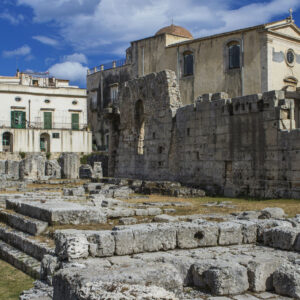
Church of St. Paolo
The church of St. Paolo is in a small square bordered by Via dell’Apollonion, in the district of fishermen, the Graziella, of which it is the parish. The church was … read more
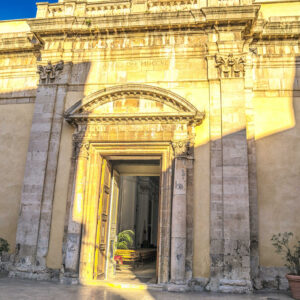
Church of St. Filippo the Apostle
The beautiful Church of St. Filippo the Apostle is the most important in the Giudecca district. Built in site where once stood the fifteenth-century Synagogue of Siracusa in 1742, after a long restoration, it was reopened in March 2010.
The church was built in site where once stood the fifteenth-century Jewish synagogue of Siracusa in 1742. … read more
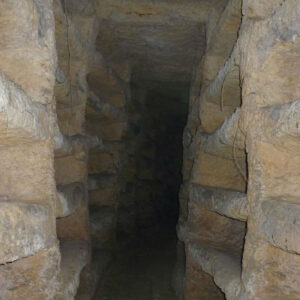
Catacomb of Vigna Cassia
The Catacombs of Vigna Cassia, now closed to the public, are the largest of the whole Sicily and are located in an old cemetery area near the Church of St. … read more
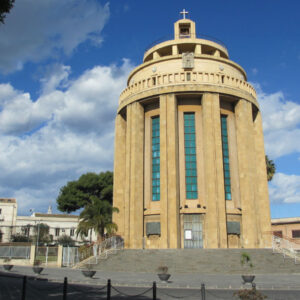
Church of St. Tommaso to the Pantheon
The Church of St. Thomas is also known as the “Pantheon of Siracusa”. This is considered the main “Memorial of the Victims of the First World War”, because within it … read more
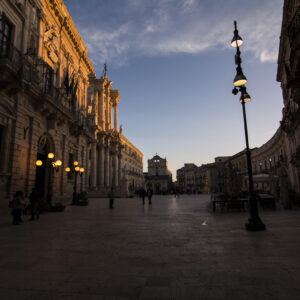
Palace Vermexio or of Senate
The palace Vermexio also called Palace of the Senate (1629 – 1633) was commissioned by the city government to the architect John Vermexio to replace the ancient headquarters of the … read more
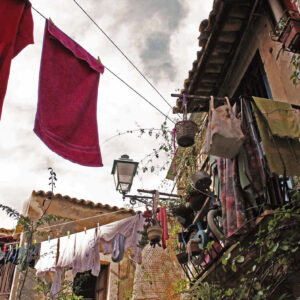
District of Graziella
Popular district in the heart of Ortigia Island. The Graziella is one of the oldest districts in Syracuse; it covers the area behind the market town of Via De Benedictis … read more
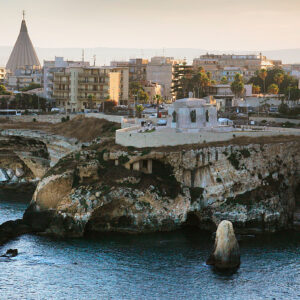
Monument to the Caduti of the Sea
The monument to those who perished in Africa was designed in 1938, during the Fascist era in memory of the campaign for the colonization of East Africa, by Romano Romanelli. … read more
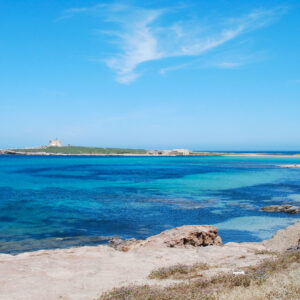
Tower of Capo Passero
On the island of Capo Passero is the fort built in the early seventeenth century. The tower has a square shape and consists of two levels. The rooms of the … read more
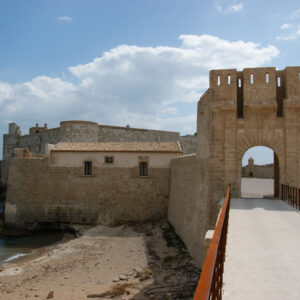
Maniace’s Castle
In front of the mythical Fonte Aretusa, we can see the imposing Maniace’s Castle, on the extreme tip of the island. The building is among the most important monuments of … read more
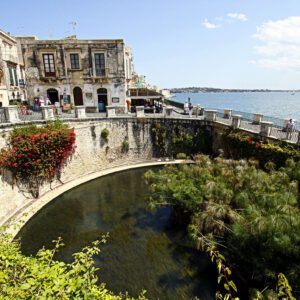
Fonte Aretusa
The legend tells that river god Alpheus fell in love with Arethusa, nymph of Artemis, and he tried to seduce her in every way. Aretusa invoked the intervention of the … read more
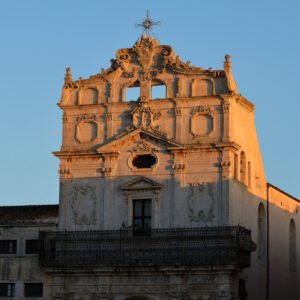
Church of Saint Lucia alla Badia
The Church and the Cistercian convent dedicated to St. Lucia had a prominent place in Syracuse, because of its location in the heart of Ortigia and especially for the feast … read more
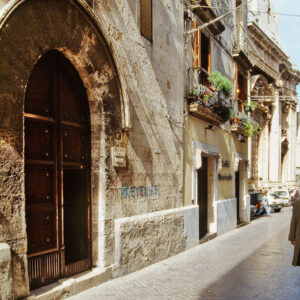
Palace Francica Nava
Palace Francica – Nava is an impressive fifteenth century building in Gothic- Catalan style, modified in ‘700 with baroque embellishments. It belonged first to the powerful family Gravina – Cruyllas … read more
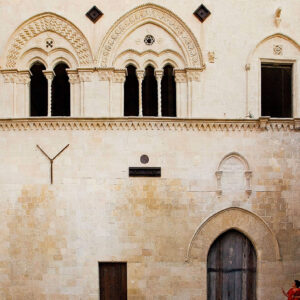
Palace Mergulese Montalto
The palace Mergulense – Montalto is located in the ancient Spirduta (“spidduta”), the island of Ortigia. The building dates back to the fourteenth century and is characterized by a … read more
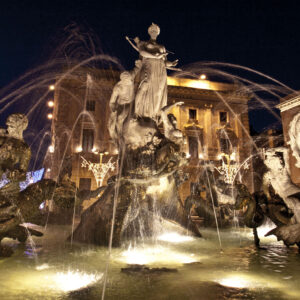
Archimede square
At the center of the square stands the beautiful fountain of Diana of the sculptor Giulio Moschetti of 1906 which tells the legend of Arethusa. The nymph is portrayed in … read more
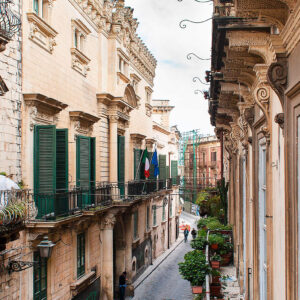
Via della maestranza
One of the oldest and most picturesque streets of Ortigia is via della Maestranza, characterized by noble’ s houses of Baroque appearance. Entering in Via della Maestranza from Piazza Archimede, … read more
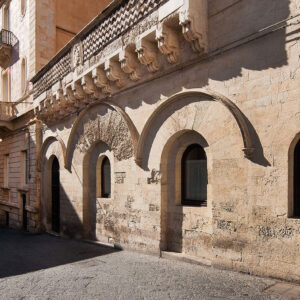
Palace Migliaccio
Palace Migliaccio, representative monument of the Syracuse Renaissance, is one of the few fifteenth century monuments which didn’t collapse after the earthquake in 1693 which destroyed most of the Medieval … read more
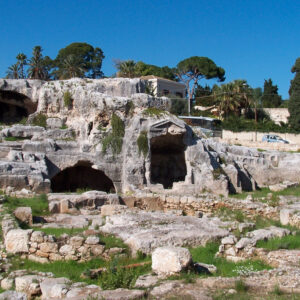
Latomia St. Venera, Necropolis Grotticelle and Archimedes’ Grave
Large Greek and Roman burial ground located in the Park of Neapolis. It can be reached through a suggestive stairway leading to the bottom of latomia St. Venera, rich in … read more