
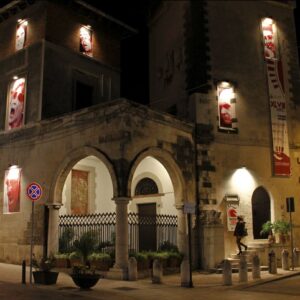
I.N.D.A. – Greco Palace
The island of Ortigia has several jewels dating back to Middle Ages and buildings built in fascist style, including the Greco Palace which is the current headquarters of the National Institute … read more
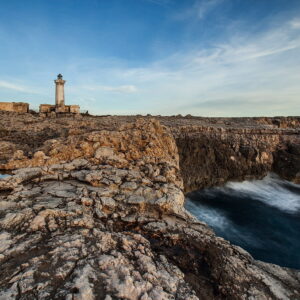
Maddalena peninsula
Of great archaeological interest is the visit to the Plemmirio, reachable by a road of about 7 km along Porto Grande. The name derives from the presence in the peninsula, … read more
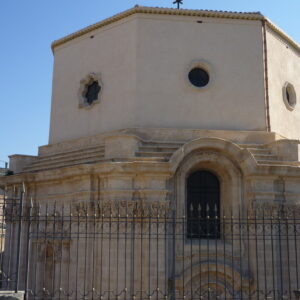
Catacombs of St. Lucia al Sepolcro
The third century A D. catacomb consists of burial sites, then transformed into areas of worship; in recent times the catacomb was used as a bomb shelter. Over the centuries … read more
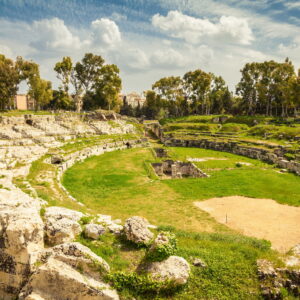
Roman Amphiteather
Dating back to the imperial age (III – IV century AD), the Roman amphitheater is one of the greatest buildings of this kind in existence. Elliptical, outer diameters measure m. … read more
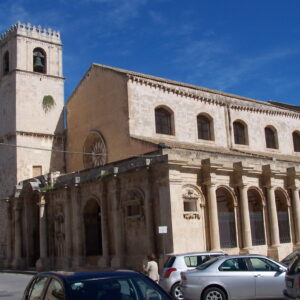
The Basilica of Saint Lucia al Sepolcro
The Basilica stands on the place Saint Lucia, patron saint of Siracusa, was martyred. Probably built over a byzantine basilica the actual building was built by the Normans over an … read more
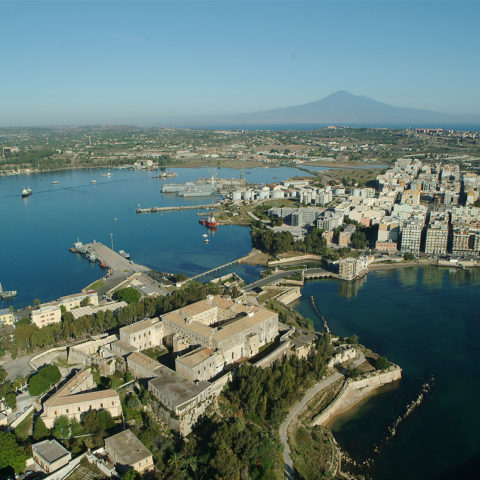
Port of Augusta
The Port of Augusta is the headquarters of the Capitaneria and occupies the entire bay of Augusta, consisting of three large sections. … read more
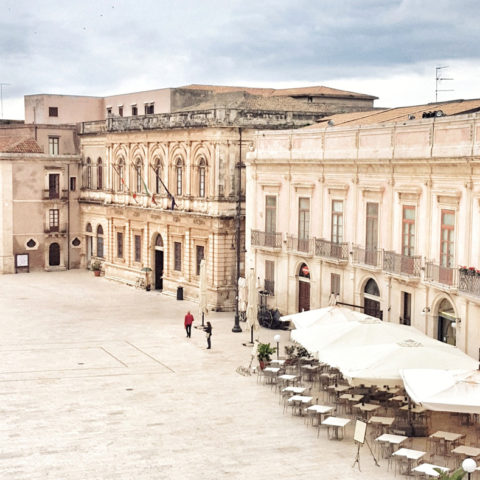
Piazza Duomo Siracusa
The Piazza Duomo of Siracusa is characterized by its semicircular plan, in the center of which stands the magnificent Cathedral of Ortigia. From this you can admire and visit some of the main historical and religious buildings in the center. … read more
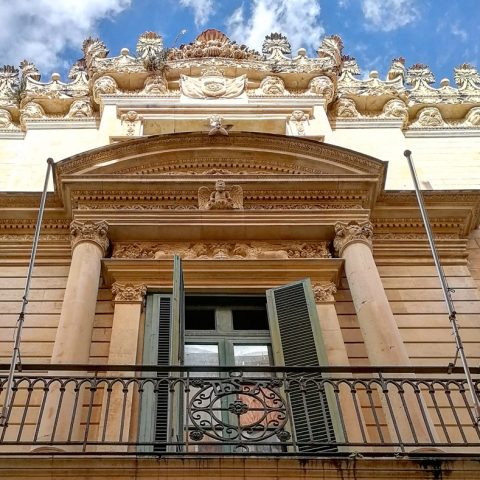
Palazzo Impellizzeri
The Impellizzeri palace is one of the noble rococo buildings of Siracusa with 31 masks and floral trims; located on the island of Ortigia, along the majestic Via Maestranza. … read more
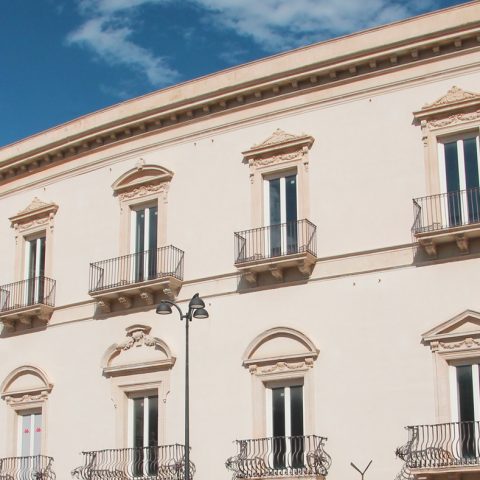
Palazzo Pupillo
Declared monumental asset by the Superintendency of the BB.CC.AA., Palazzo Pupillo is a historic monument full of late Baroque decorations and forms. … read more
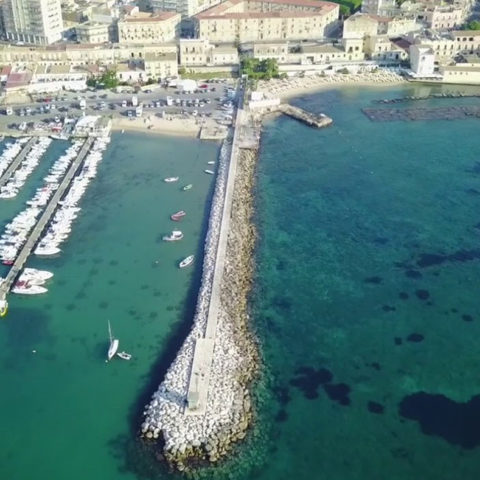
Porto Piccolo
The Porto Piccolo or Porto Marmoreo is located to the east of the island of Ortigia, which includes the inner part of the Arsenal (Lakkios), site of the reclaimed Syrako lagoon. … read more
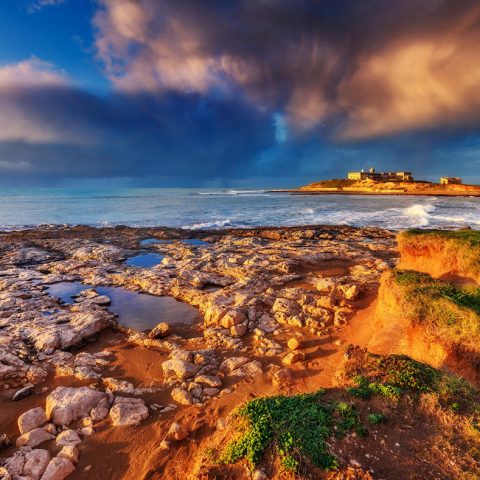
Portopalo di Capo Passero
An area full of magnificent beaches where the coast becomes of sublime beauty. One of the oldest territory in the province of Siracusa, developed around a tonnara. … read more
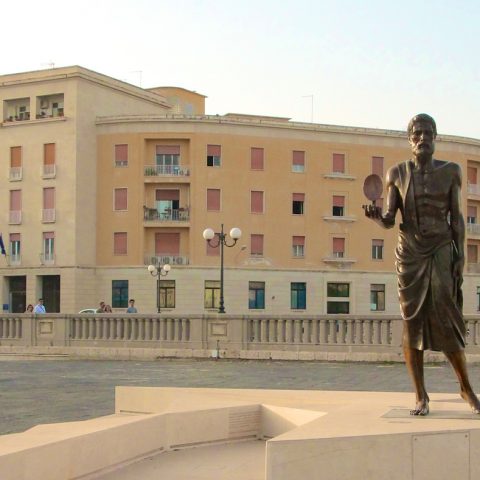
Statue of Archimede
Right at the entrance of Ortigia, located between the two bridges, stands a beautiful bronze statue of the Syracusan genius Archimedes. … read more
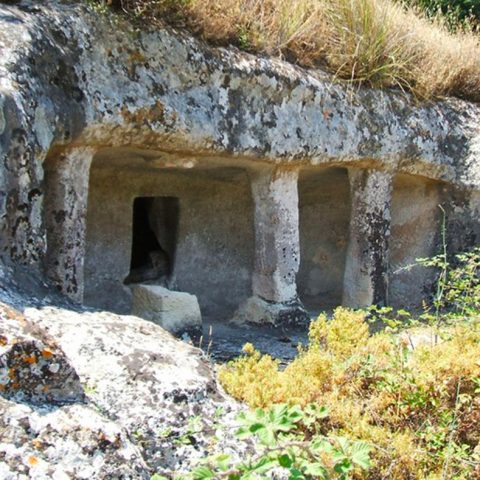
Castelluccio dei monti Climiti
Located in Priolo, Castelluccio di Monti Climiti, also called Castelluccio di Priolo, is considered one of the most important military monuments of Middle Age … read more
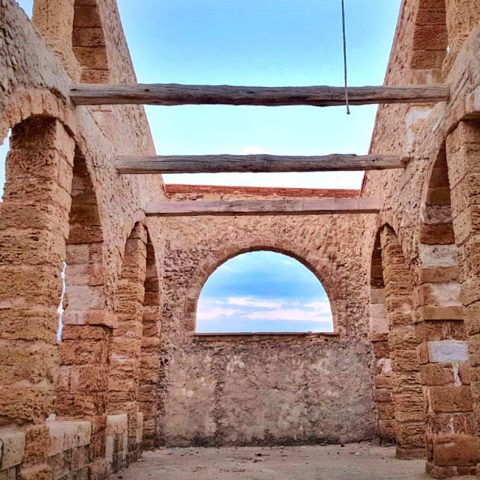
Tonnara di Santa Panagia
The Tonnara di Santa Panagia is a building located on one of the most fascinating stretches of the coast of Siracusa. … read more
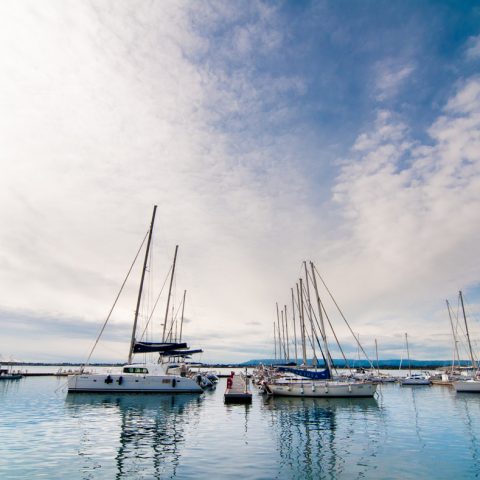
Tourist port
Beautiful and bright seafaring city. Siracusa has always been characterised by a special relationship with the sea that surrounds and embraces the city. It is located in the big Port, one of the most ancient and still active maritime ports, … read more
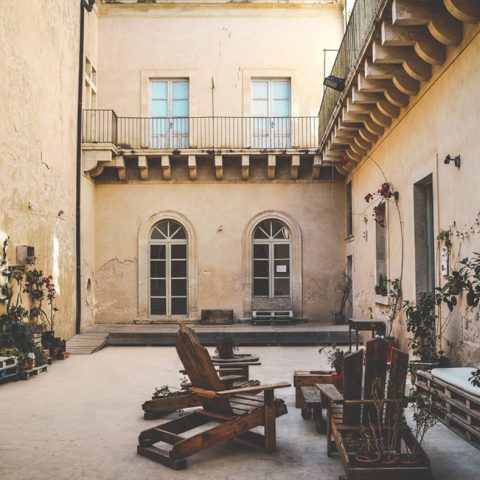
The HUB – Former Convent of Ritiro
In 1730 Pompeo Picherali built the church and the convent. For a few years, some youth have transformed the convent in a co-working space for Sicilian social innovator, where to meet other entrepreneurs with whom share our experiences. … read more
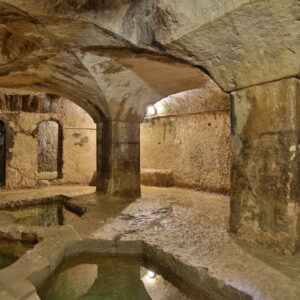
Bagno Ebraico (Jewish Bath)
The Jewish bath, the center of Jewish spiritual life, testifies to the existence of a Jewish community of Syracuse among the oldest in the Mediterranean. The miqweh, located 18 meters … read more
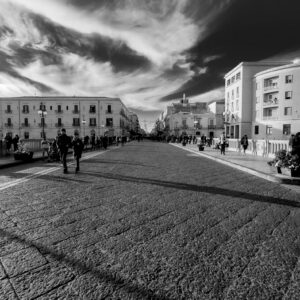
Umbertino Bridge
Dating back to the second half of the Nineteenth century the island of Ortigia is connected to the mainland by the Umbertino Bridge. The bridge takes its name from Umberto … read more
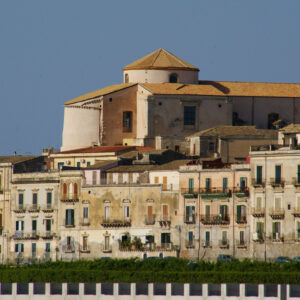
Church of the Jesuit College
The church of the Jesuit College, the largest baroque church of Ortigia, was dedicated to St. Joseph and Ignatius of Loyola. Designed in 1635, the monastery was restored by Pompeo Picherali, after the devastating earthquake of 1693. … read more
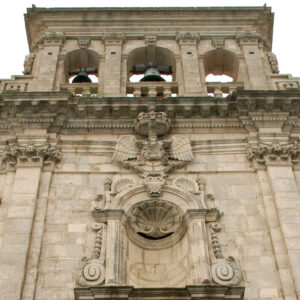
Church of the Holy Spirit
Designed in 1727, the Church of the Holy Spirit was built on the ruins of the “First Church” of Siracusa. The tower facade of the Church is in eighteenth-century Baroque style, rich in decorations and in Corinthian architectural elements. … read more