Art by Alice Valenti
6 places have to see

La street art a Catania
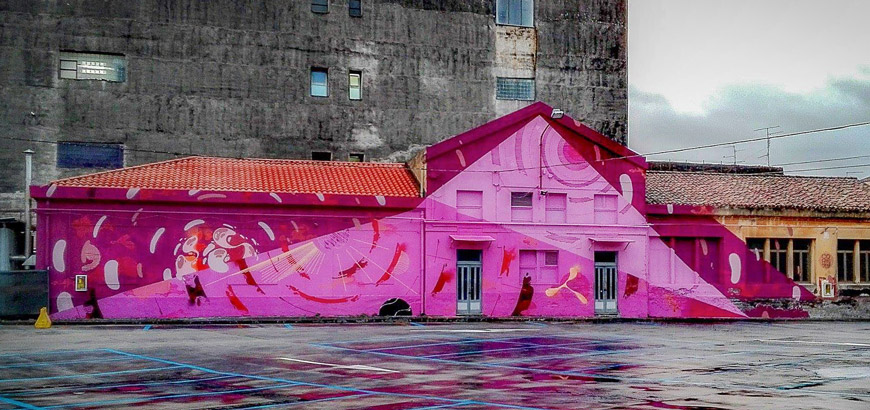
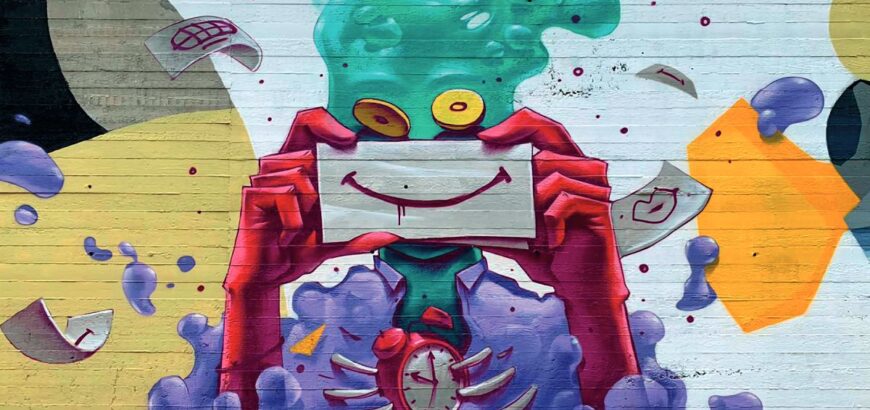
Street art in Catania
© Salvo Puccio
– by Alice Valenti, Artista, painter and sicilian carts decorator
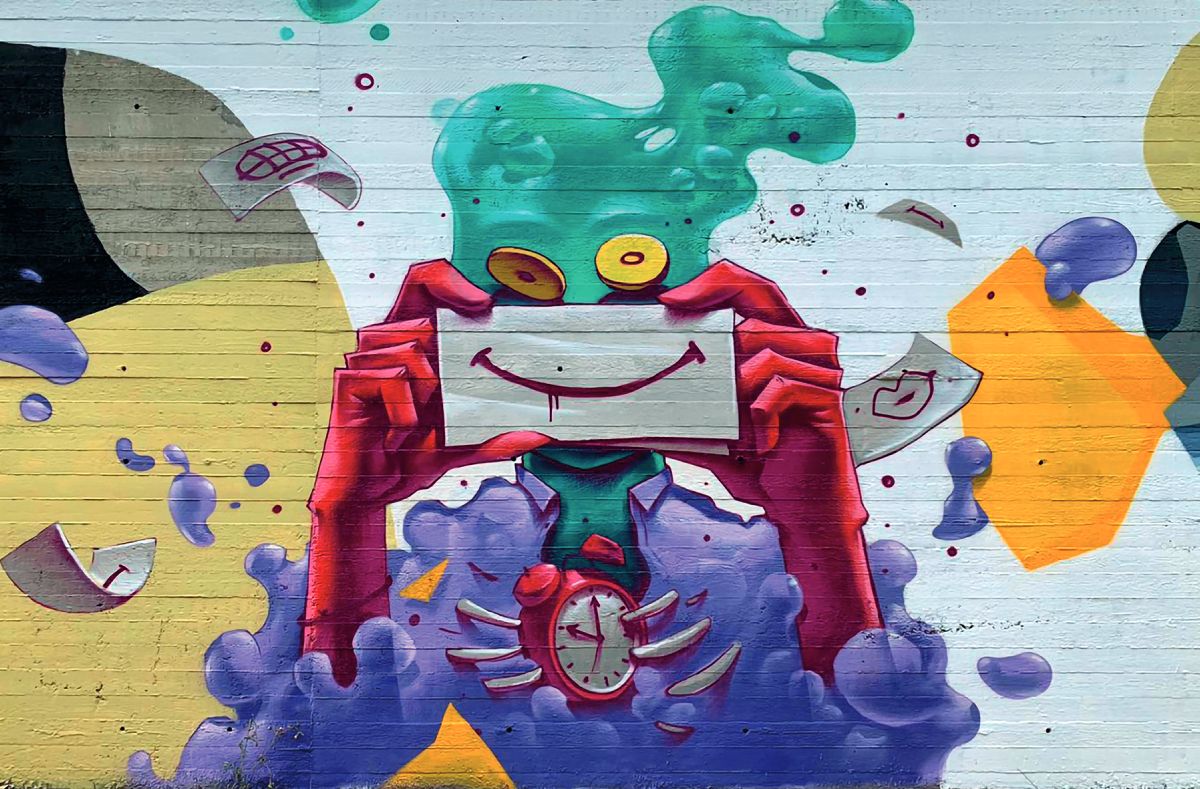
Street Art has spread widely in Catania in recent decades.
An extremely interesting tool for discovering the complex physiognomy of a city that seems to continually die and rise from its ashes, as the famous inscription at the top of Porta Ferdinandea states.
But here I don’t mean to refer to the eruptions and earthquakes suffered by the city over the centuries, but to the troubled and fascinating process of life / death, destruction / rebirth, decay / beauty that tirelessly perpetuates itself and of which urban art becomes aware. hero.
The itinerary that I propose to you is therefore not simply linked to the beauty of the works themselves (this is the reason for the inevitable omissions, the discovery of which I leave to chance and to the skill of the travelers), but is intimately linked to the significance of the places, to the will to raise awareness on the theme of the use of spaces and city management, to the corollary of reflections and short circuits that art can trigger in the observer.
Piazza dei Libri
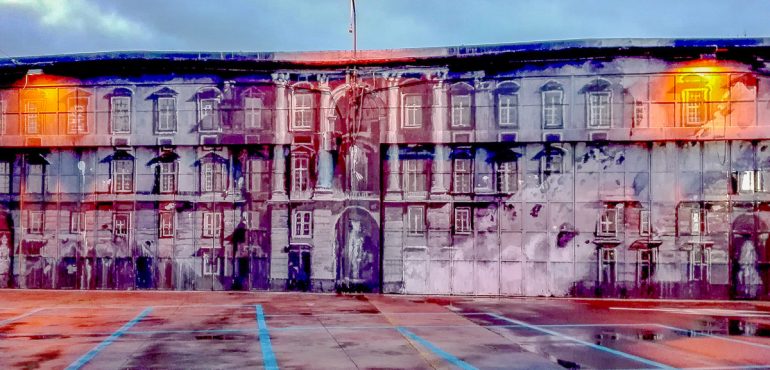
In the historic center, next to the Ursino Castle, a small square for decades abandoned to decay and reduced to a parking lot, in 2003 it was adopted and returned to the city by the Gammazita Association, which makes it an open-air library: a place where art, culture, sociability and sharing are the protagonists.
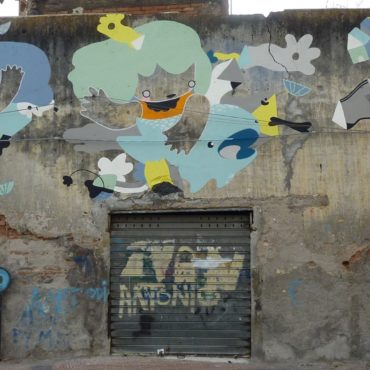
In 2016, the artistic duo Rosk & Loste gave the city the giant face of an activist from Gammazita, Florinda. Lorenzo Ciulla’s animals, on the other hand, overlook a luxuriant flower bed in the street.
Via San Michele
When unity is strength. The synergy between the inhabitants, entrepreneurs and cultural promoters of this small street behind Via Etnea has given rise to a redevelopment project sealed by the work of Demetrio Di Grado with his analogue collages contaminated by sprays.
San Berillo
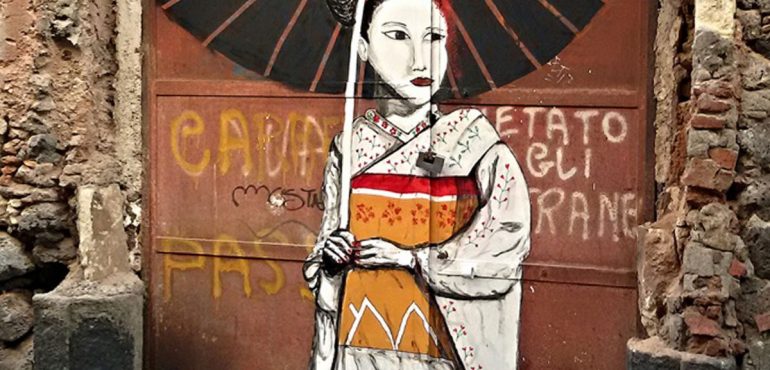
I tell you, but I didn’t tell you. Because this is a place where beauty goes hand in hand with fragility, and it is necessary to enter on tiptoe. The San Berillo neighborhood is an urban jewel that survived the building and speculative demolition of the 1970s (the question is: how long will it resist the next gentrification attack?). A neighborhood where stories of marginalization, activism, multiculturalism coexist, whose contradictions in 2016 are highlighted by a social and artistic project called RED LINE DISTREET, which floods the alleys and walled doors with art, triggering a process still in progress. Wonder, Xanta Pece, Luprete, Ligama, Valentina/Julia, El Duff, GAB_el, INDA.Street , Gost, Weds, Rage, Nemo’s, Cristina Scalia, Alice Valenti, Giorgio Corriera, Riccardo Longhitano, Nicolo’ Amato, Fabrizio Nicolosi Pitto, Divina Pirrone, Spanky, Uta Dag e Axolotreet, Riccardo Longhitano, DokRuin, Dero, Baco, Double, Gore, Poki, I mangiatori di patate, CollettivoFX, Daniele Melarancio, ArtiFarti, Sin Metro, Antonio Anc, El Duff, Fodds, Ruce, Pilo, JulietaXLF, Rosaria Costa, Giuliana Mannino, Clasto, Alice Caldarella e Mr Eye’, Sten Lex, Guè.
L.U.P.O. gym
Hurry up, because the sword of Damocles of eviction or demolition hangs over this incredible center of cultural production in the face of the activists’ request for assignment. Former fencing gym then abandoned to decay for over twenty years, it is a lively point of reference for the city and home to an Urban Popular Laboratory dedicated to the arts and creative reuse. It houses works by SinMetro, Luprete, Nemo’s and The Potato Eaters, Collettivo FX, Antonio Anc, Hethan Art.
Largo XVIII August
In the Civita district, a large void opens up in the dense urban fabric of one of the oldest districts of the city, created by the bombings of 1943. An integral (but not always integrated) part of the historic center, this square is the scene in 2010 of the first operation of legal street art on the walls of Catania, the ReWALLution review The works of San, Bo130 and 2501, Microbo and Guè wind their way through the web of clothes hanging in a surreal atmosphere.
Former “Rimessa R1 “
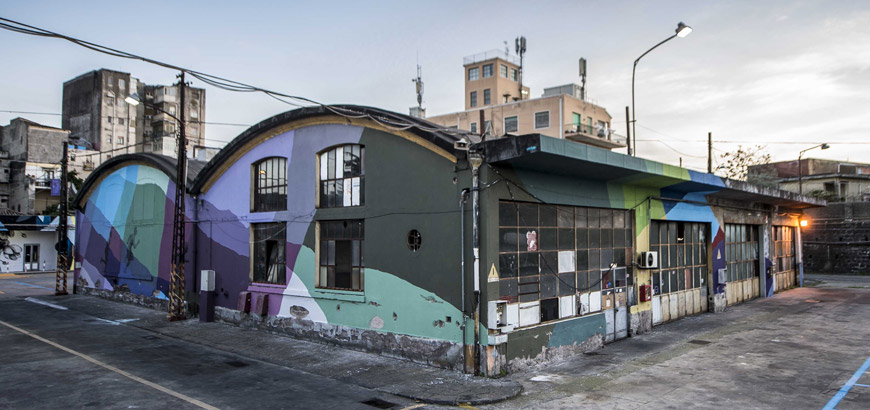
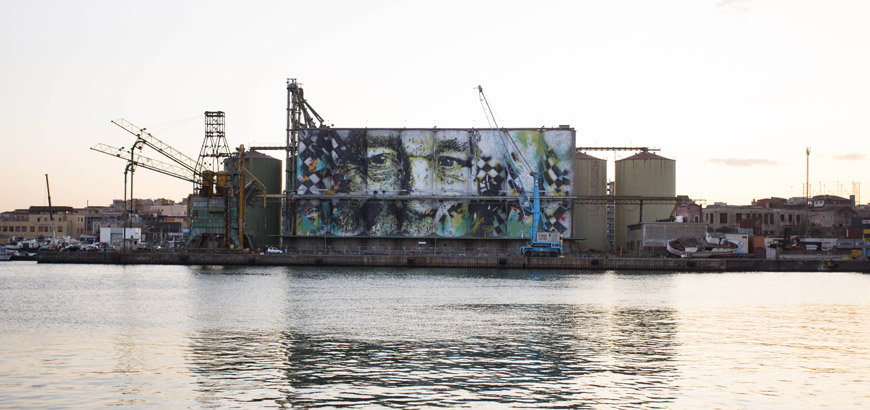
In the car park of the former AMT garage in via Plebiscito 747, in 2018 the disused warehouses became an open-air museum and a space for culture curated by Giuseppe Stagnitta, former promoter of the intervention on the silos of the port. The artists are Fabio Petani, Etnik, Salvo Ligama, Seikon, Corn79, Gomez, Gue, Pao, Ruce, Sten Lex, Rasta. At the entrance, my work Agave welcomes visitors.
Librino
In a neighborhood that is a symbol of the city’s contradictions, where beauty and decay, failures and hopes intertwine and are renewed every day, I would like to point out two works that praise redemption and the regenerating power of art.
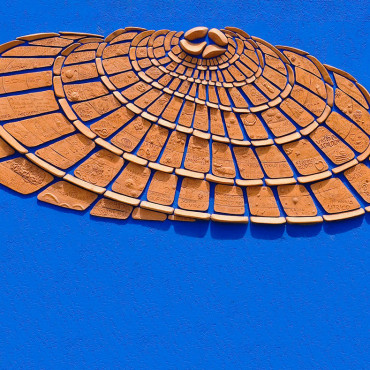
The “Porta della Bellezza” is Antonio Presti’s monumental gift to the Librino neighborhood: a concrete wall covered with terracotta tiles and verses engraved in clay, the result of the effort of 2000 children, 2000 mothers, some artists and two years of work ( 2006-2008).
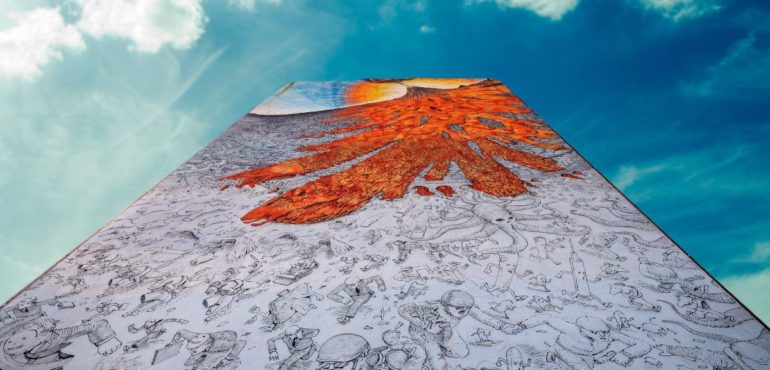
The other work was created by the will of the Catania artists Luprete and Poki, who invited Blu to work on the facade of a building in viale Moncada 6 / a represents the Librino district partially submerged by the regenerative lava of Etna, which it brings with it and eliminates “The characters of the institutions, men hidden behind the masks of legality”. Also evident is the reference to the Mafia, represented as a giant octopus with the face of a skull.
Campo San Teodoro Liberato
A sports field with a library, a shared space where the sport of rugby, urban gardens and art create wonderful opportunities for social inclusion and beauty.