
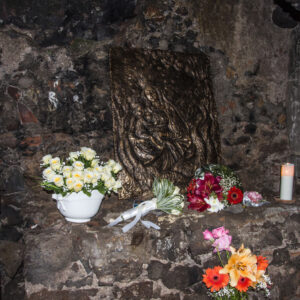
Sanctuary of the Madonna of the Sciara Mompileri
In 1537 and in 1669 two lava flows, born as a result of the eruptions of Etna, hit the ancient sanctuary full of sacred works. For years, people dug without any success until 1704, when it was found the stature of Madonna delle Grazie. From then, near to it there is a small church. … read more
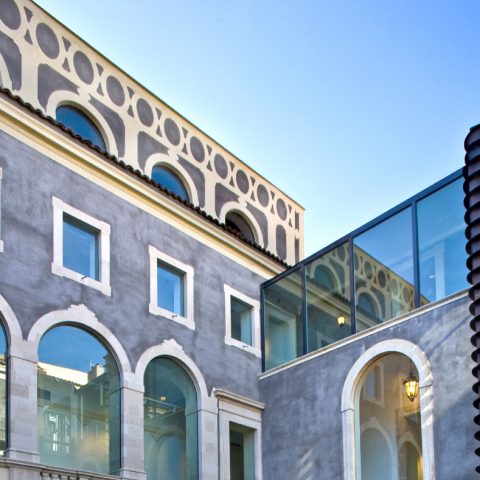
Palazzo Valle
The Palazzo Valle is perhaps the most beautiful baroque buildings designed by the famous architect Gianbattista Vaccarini. From 2004, Fondazione Puglisi Cosentino is in the inner courtyard, at the second and third floor of the baroque palace, hosting permanent and temporary exhibitions. … read more
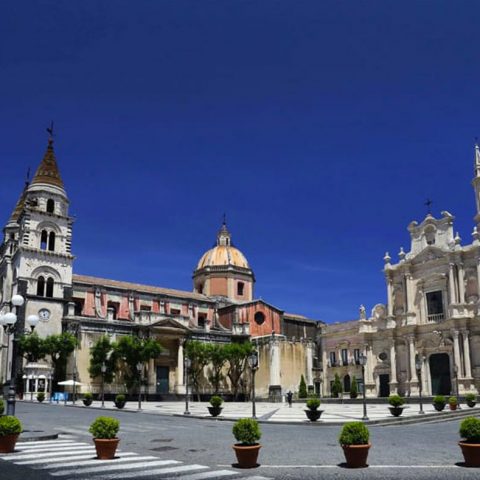
Palazzo di Sangiuliano
Palazzo di Sangiuliano is one of the nobilty palaces of the city. It was built, using various colored marbles between 1738 and 1745 at the request of Paternò Castello’s family, and designed by the architect Vaccarini. Currently the rooms are occupied by different commercial activities. … read more
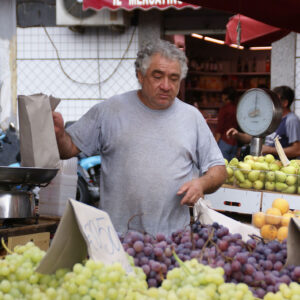
Piazza Carlo Alberto
Piazza Carlo Alberto takes its name from the Piedmontese King of the nineteenth century. It is located in the historical center of Catania. The baroque square, bordered by the Church of the Madonna of Carmelo and the Church of St. Gaetano alle grotte, is famous because hosts the popular market. … read more
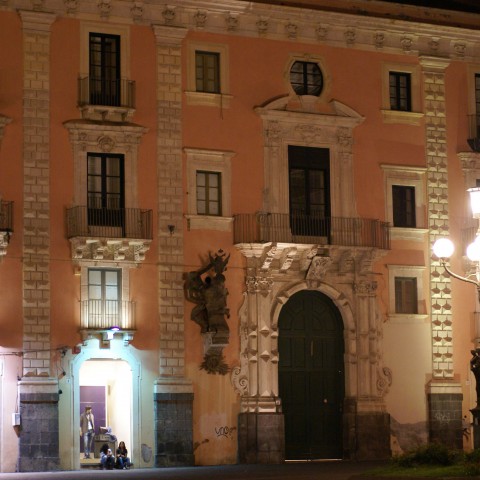
Palazzo Gioieni D’Angiò
Palazzo Gioieni D’Angiò was the residence of the Duke Giuseppe Gioieni D’Angiò, who commissioned its construction in the late eighteenth century. The design of this building, which is located in piazza Università, was conceived by the architect Vaccarini in Sicilian baroque style. … read more
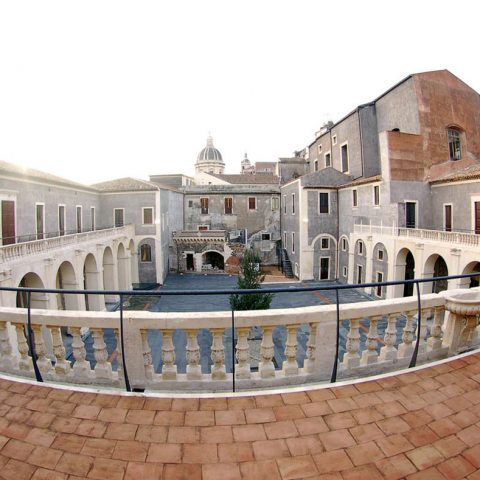
Palazzo della Cultura
After the terrible earthquake in 1693, the remains of the former San Placido’s Monastery and the oldest Platamone’s palace were integrated each other to realize the Palazzo della Cultura. The palace still presents some elements in late medieval style. … read more
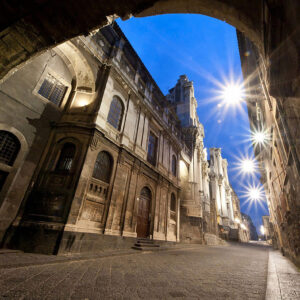
Via Crociferi
Via Crociferi is one of the oldest Catania streets in the heart of the city, it starts in Piazza San Francesco D’Assisi through the famous St. Benedict triumphal arch. It is considered the symbol of Baroque in Catania, because there are some of the most beautiful eighteenth-century churches of the city. … read more
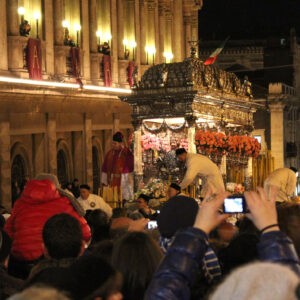
Slope of via Cappuccini
“Cchianata de’ Cappuccini” is an important place during the celebrations in honour of Saint Agatha. It starts in via Cappuccini, near Piazza Stesicoro, and it continues with via Pietro Garofalo creating the form of a steep “S”. At the end of the slope there is via Santa Maddalena. … read more
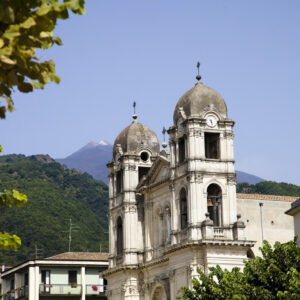
Zafferana Etnea
Zafferana Etnea (9,286 inhabitants) is located 600 meters above sea level, on the eastern slopes of the volcano. The actual history of the town originated with the founding of the Priory of St. James, a Benedictine monastery in the Middle Ages. … read more
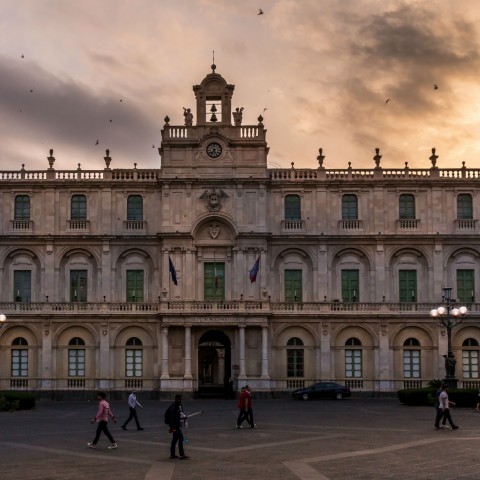
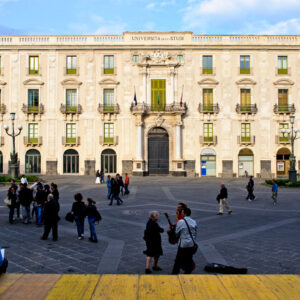
Palazzo dell’Università
The original Palazzo dell’Università’s plant is dated back to 1434. It was built by Alfonso the Magnanimous, founder of “Siculorum Gymnasium”. It was destroyed by the earthquakes in 1693 and in 1818; and restored many times over the centuries. … read more
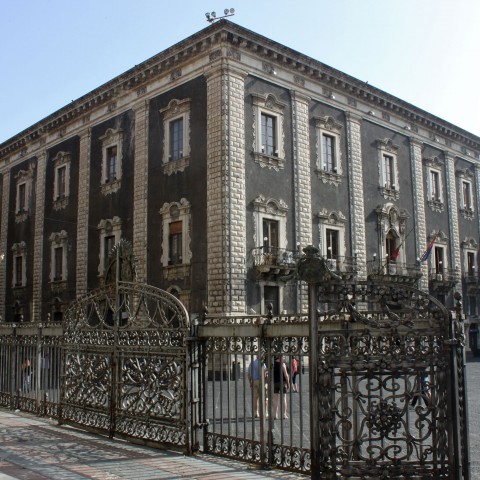
Palazzo dei Chierici
The Palazzo dei Chierici, also is known as the Clerks’ Seminary (which once housed it), it’s connected to the Saint Aghata’s Cathedral through an overpass that goes over Uzeda’s entrance. The inclution of building inside the city walls is its hallmark. … read more
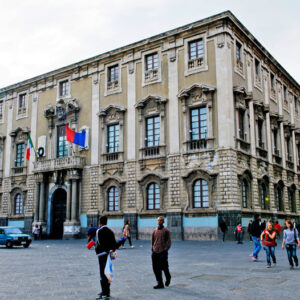
Palazzo degli Elefanti
Palazzo degli Elefanti, originally was called the Senatorial Palace, it is located on the northern side of Piazza Duomo and it’s the headquarters of the Municipality of Catania. It was built by Vaccarini to replace the medieval Loggia, which was destroyed by the earthquake in 1693. … read more
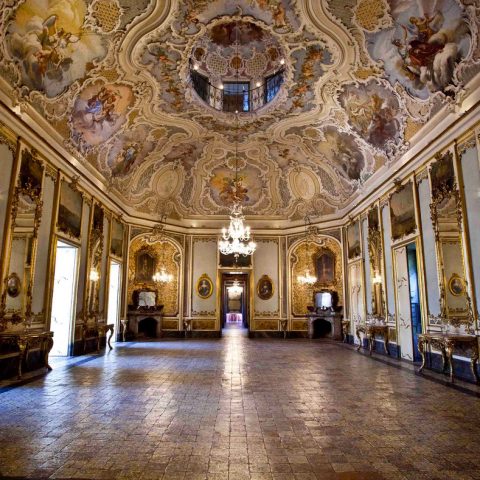
Palazzo Biscari
Along via Dusmet, not far from the “Pescheria”, it’s located the Palazzo Biscari, which takes its name from the Biscari principles who lived there. The palace has several rooms in rococo style, full of frescoes and decorations. Today its museum hosts MF “Museum&Fashion”. … read more
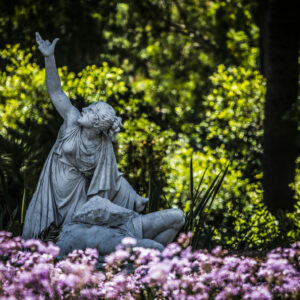
Villa Belvedere
The public garden of Acireale, also called Villa Belvedere, is at the end of the Corso Umberto, the main street that links the Villa to the Cathedral of Acireale. From its balcony it is possible to admire a beautiful view of Taormina, Etna and the Timpa. … read more
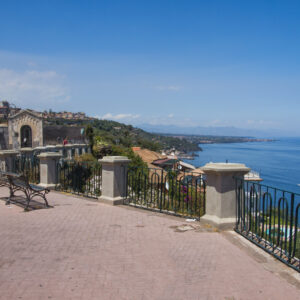
Village of Santa Caterina
The village of Santa Caterina, formerly known as “Cavallari”, is made up of narrow streets decorated with flowers and citrus trees. The village is located on one of the highest lava ridges of Timpa; an impressive view enriched by the precipice on the sea. … read more
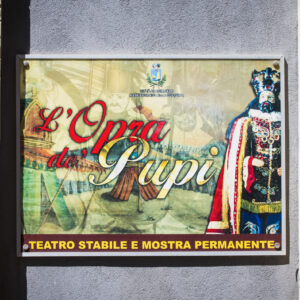
Theater of Opera dei Pupi
The theater hosts the permanent exhibition of the collection of the Theater Pennisi-Macrì, made up of puppets and Sicilian theaters’ equipment. The puparo, inspired by works such as “Gerusalemme Liberata” by Torquato Tasso, skillfully represented the stories of the paladins. … read more
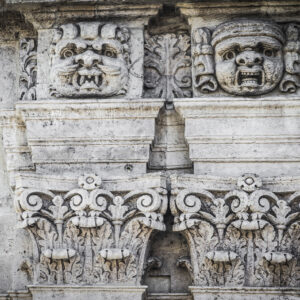
Basilica of Saint Sebastian
The Basilica of Saint Sebastian was built around 1609 to accommodate in a largest place of worship the community of faithful. The facade with white Siracusa stone columns, pilasters and carved cornices, is in Baroque style. Worth a visit to the Basilica Museum. … read more
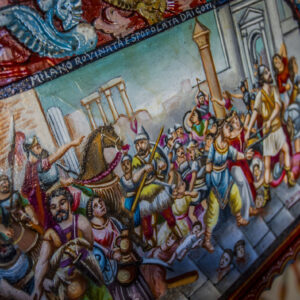
Museum of the cart
Aci S. Antonio boasts the Museum of the Sicilian symbol par excellence. In a building used as stable and warehouse, you can see ancient and recent carts from all over Sicily. All carts, carefully restored, stand out for the vivid colors and the painted figures. … read more
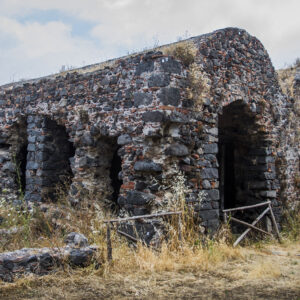
Terme of Saint Venera al Pozzo
The thermal baths of Saint Venera al Pozzo are part of the Archaeological Park of the Valley of Aci, set up in 2010. The site is characterized by the presence of water from sulfur springs and hosts the structures realized in the fourth century BC by Romans. … read more