Parks and nature reserves in Catania
7 places have to see

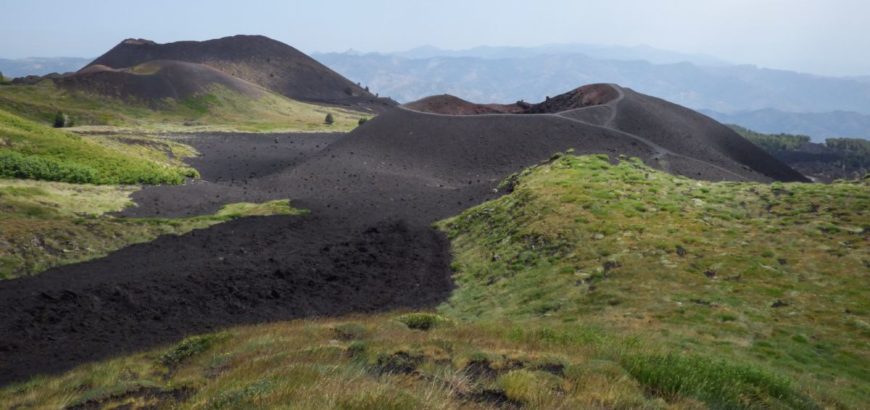
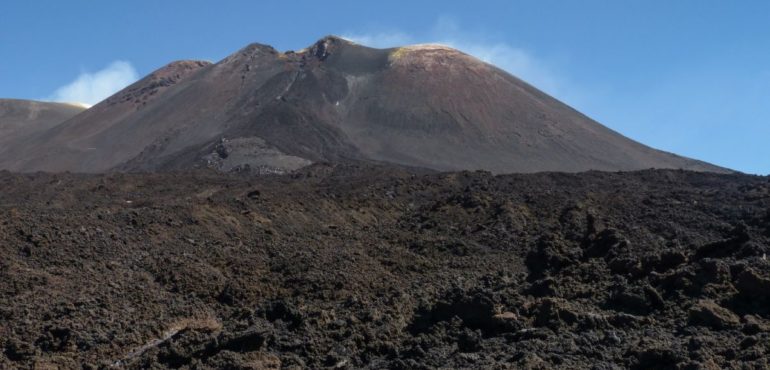
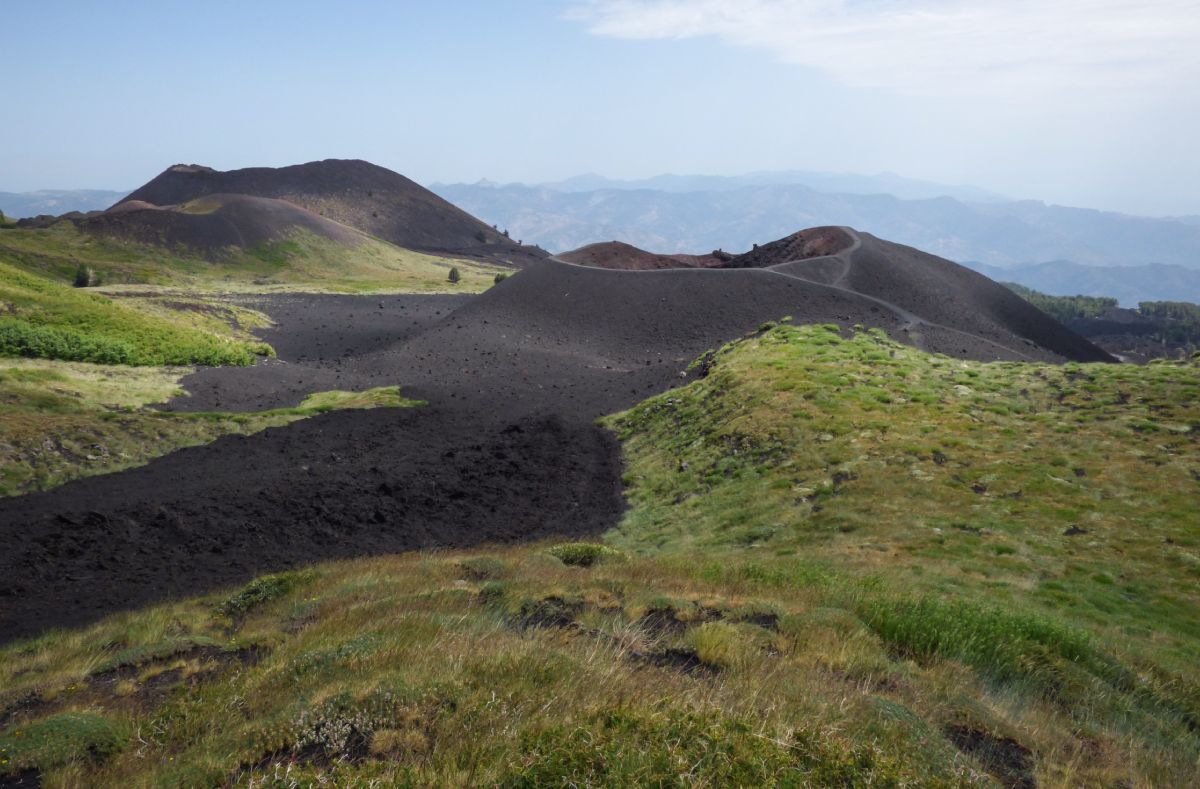
Parchi e riserve a Catania: i crateri del 2002
© Giò Giusa
Catania, city of baroque, lava stone and greenery. Yes, even green. Because in this area, lava stone is fertile ground for fruit trees and evergreen plants. Thus from the city center to the periphery, from the sea to the mountain is a swarm of typical Mediterranean flora.
If you are a green tourism lover and for you it is not a journey without trekking and excursions, you will find our guide through the parks and nature reserves of Catania useful and interesting. And to respect the environment we suggest you to travel by train, bus and – why not – by bicycle (find more information in our section moving in Catania).
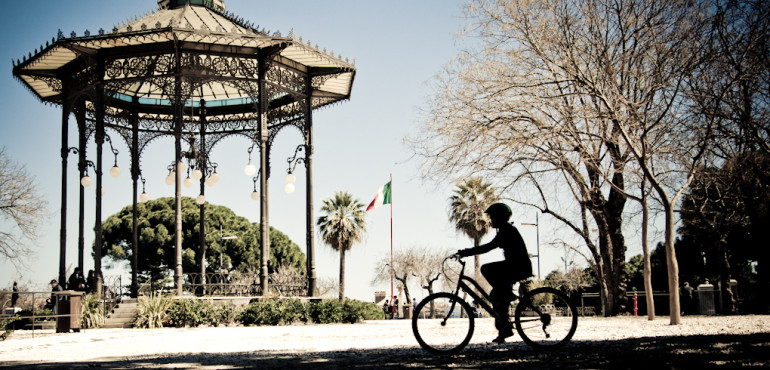
A few steps from the central Piazza Duomo, the Bellini garden – or villa as the Catania people call it – is the true green lung of the city. An oasis full of paths, to whose sides are preserved a great variety of plants, many of which are exotic or secular. Also visible in the city’s Botanical Gardens, easily reachable on foot or by bike. Founded in 1858 by the Benedictine monk Francesco Tornabene, the Botanical Garden of Catania will surprise you with the precious botanical collections preserved in it, among which stand out palms and spontaneous Sicilian plants.
And in summer, it is the perfect setting for events and concerts at night.
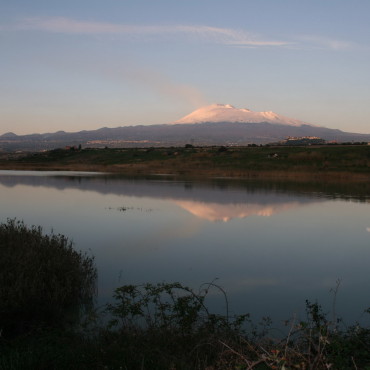
Leaving the city behind you, you will have to choose whether to reach the mouth of the Simeto or the slopes of Etna. Both reserves are characterized by the presence of extensive green areas. If at the Oasis of Simeto, the salicornieto is highly widespread offering shelter to the native animal species, the Etna park is distinguished by wooded areas and a vegetation that changes with the altitude and climate conditions.
In whatever season you decide to make your excursion, we are sure that the view will not tire you.
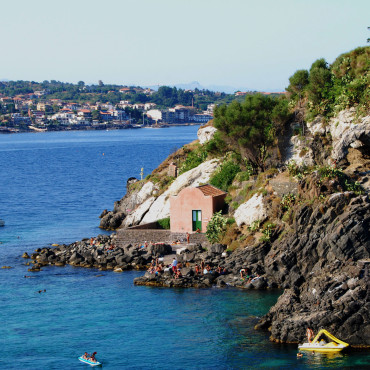
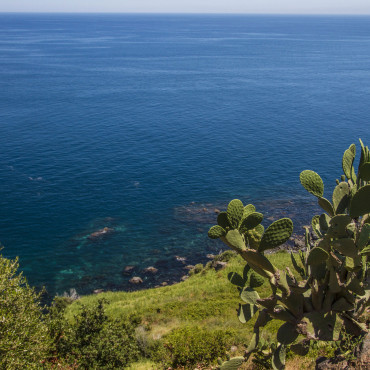
You cannot avoid a visit along the stretch of coast that goes from Aci Trezza to Giarre, on the natural lava rock balcony overlooking the sea. At Aci Trezza is a must going on a trip by boat among the stacks, in the largest of these (the Lachea island) among the rocks of volcanic origin you will encounter a colorful Mediterranean flora and “the little inhabitants” of this naturalistic paradise. Lava rock and Mediterranean vegetation are also the distinctive feature of the Timpa di Acireale. A rocky ridge overlooking the sea along which there are small winding paths that from the top lead you down to the rocky and pebble beaches, surrounded by ivy and lemon groves.
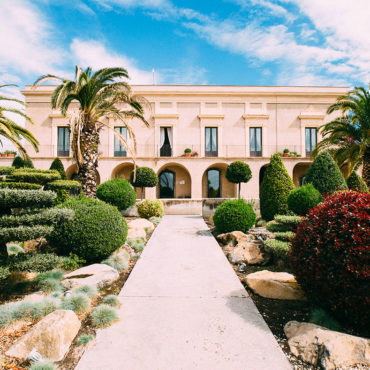
And if you’re lucky and visit Catania in the right months, you visit the Radicepura Garden Festival, the biennial Mediterranean garden that takes place every two years in Giarre at the Radicepura botanical park. A 5-hectare floriculture park with 3,000 plant species and a seed bank, to visit to admire the variety of plants and trees kept inside and temporary and permanent installations, created by international garden designs.