Accessible beauty
15 places have to see

© SR Slowmotion
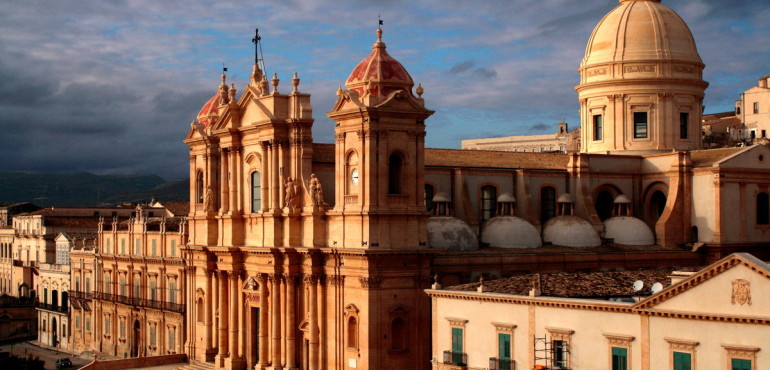
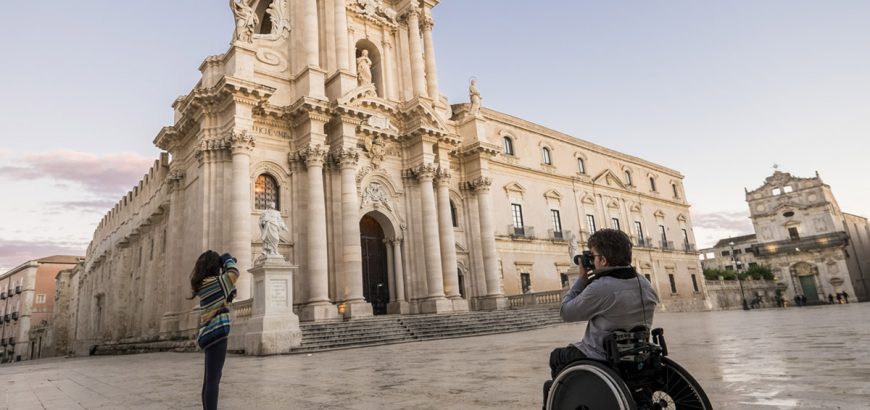
The beauties of Syracuse are accessible to every kind of traveler and the city represents at national level an excellent example of how to break even the most difficult barriers.
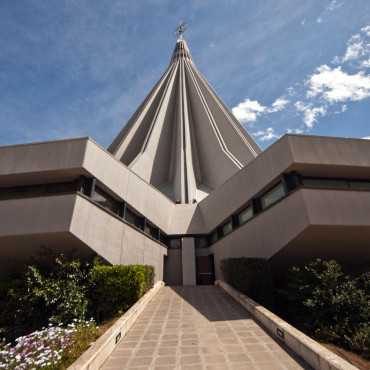
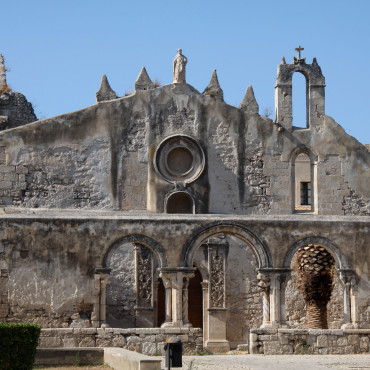
Every week at the Sanctuary of the Madonna delle Lacrime a Sunday Mass is celebrated in the Italian and English language of the signs in favor of deaf people. In addition, videos and ten different itineraries have been created in Lis (Italian Sign Language) between Syracuse and Noto which include the Cathedral of Syracuse, the Maniace castle, the Latomie of the Capuchins, the church of Santa Lucia alla Badia, the church of San Giovanni and the Catacombs, the Sanctuary of the Madonna delle Lacrime, the Paolo Orsi archaeological museum. Inside the entire archaeological park of Neapolis, the main monuments of the city of Noto and the nature reserve of Vendicari, tourist guides are flanked by an interpreter. Moreover, since 2012 the Greek Theater of Syracuse is the first stone theater in the world where an entire day is organized with two interpreters who translate the classical representations into sign language.
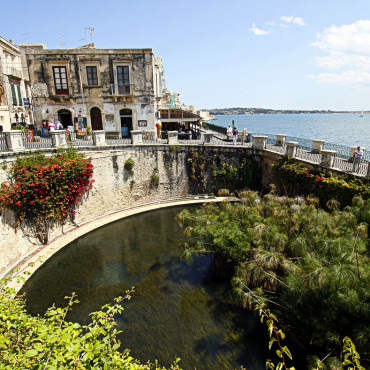
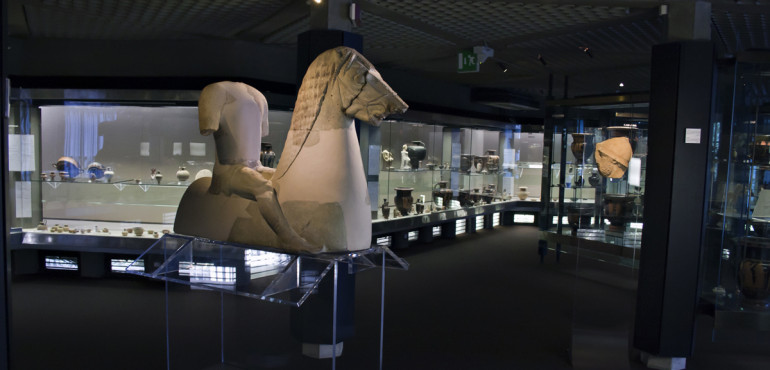
For blind and partially sighted people, tactile maps have been installed at the most interesting tourist sites. In the esplanade of the Fonte Aretusa, popularly known as the Fountain of the Ducks, there is a plaque in Braille that tells the story and the myth of that place. Furthermore, the Paolo Orsi Museum Center has an entirely tactile part, also in the area dedicated to numismatics with coins made in Braille.
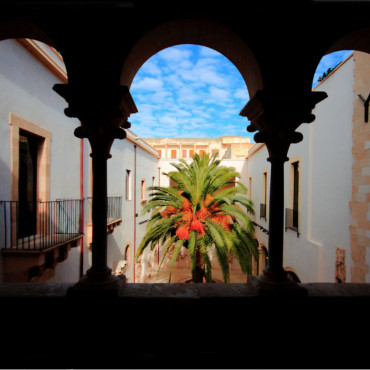
In this sense, the private museum of the papyrus Corrado Basile excels too. In the former convent of Sant’Agostino in Ortigia, a tactile and sensorial pole with the scent of jasmine was created. Always remaining in the sphere of private structures, the Leonardo da Vinci museum in Ortigia also devotes particular attention to tactile visits.
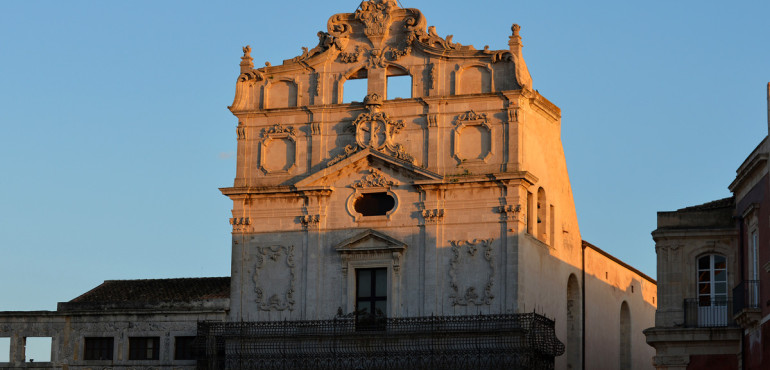
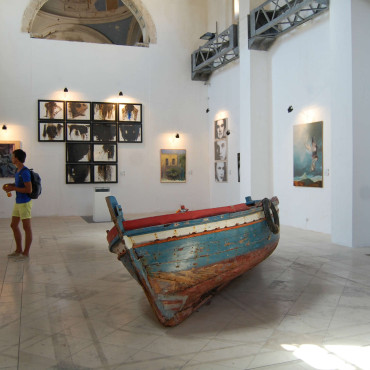
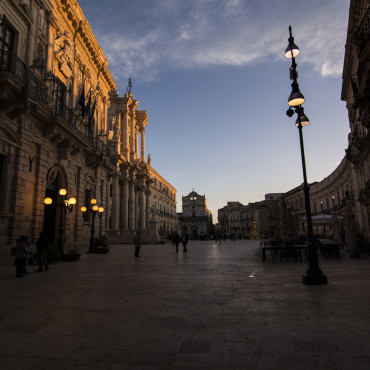
Staying in Ortigia, the Galleria Monte Vergini is totally accessible, as well as the Church of Santa Lucia alla Badia, in Piazza Duomo, where a great masterpiece of Caravaggio “The burial of Saint Lucia” is kept in which a ramp was built.
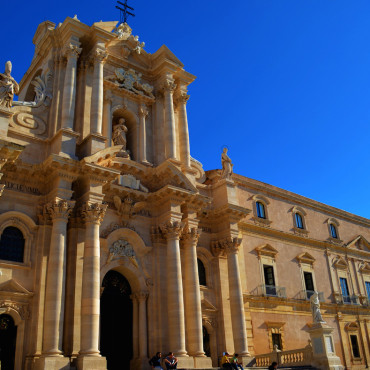
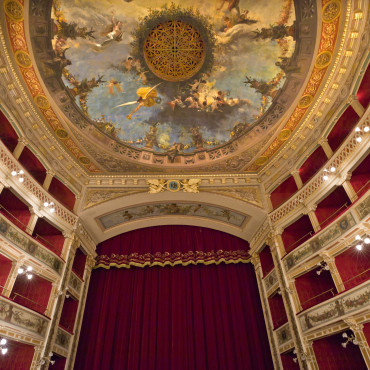
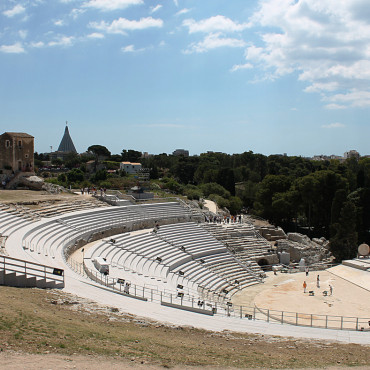
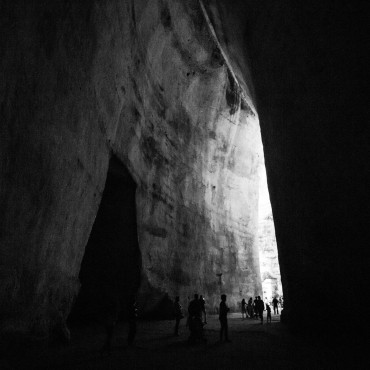
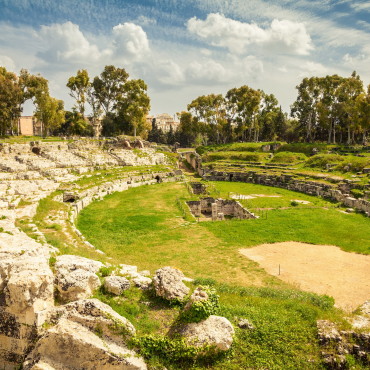
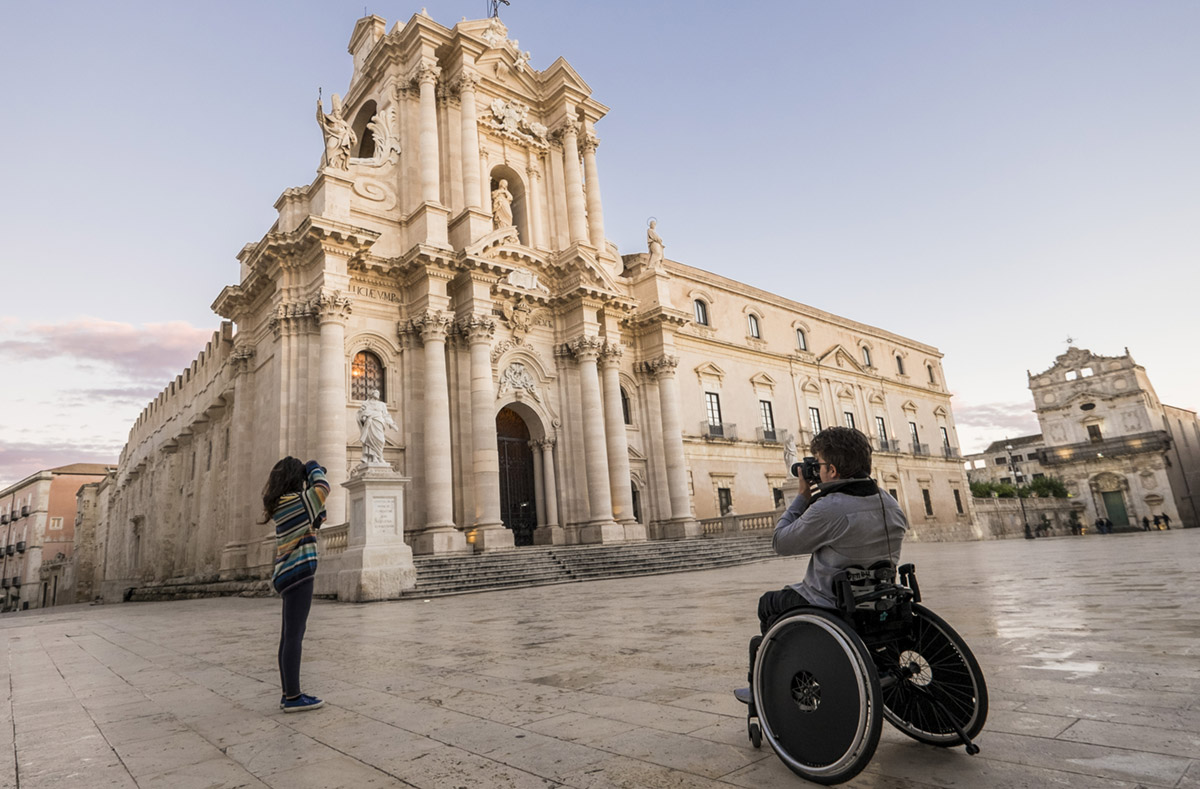
Other totally accessible sites are the Cathedral (entering the part of the Archbishopric), the Alagonian Library in Piazza Duomo, the Hypogeum on the side of the Marina, the National Museum of Palazzo Bellomo, Palazzo Vermexio, which is the seat of the Town Hall, the Teatro Comunale, the Sanctuary of the Madonna delle Lacrime, the Paolo Orsi Museum, the Catacombs of San Giovanni, the Greek Theater, the Roman Amphitheater, the Ear of Dionysus.
Moreover, even in a wheelchair, it is easy to stroll through Ortigia and enjoy a show that will remain engraved forever in your mind!